How to Fertilize Your Garden in Spring: Best Spring Plants Fertilizer and Compost
Introduction: Why Spring Fertility Matters
After a long winter, your garden is waking up. The soil has been sitting cold and dormant for months. Beneficial microorganisms are stirring back to life. And your plants are hungry.
Spring fertility is arguably the most important thing you can focus on for a successful growing season. Why? Because this is when plants are doing their most intense work. They're pushing out new leaves, stretching their roots, and getting ready to produce flowers and fruit. All of that takes energy and nutrients.
Think of spring fertilizing like breakfast for your garden. You wouldn't send your kids to school without breakfast, and you shouldn't send your plants into the growing season without proper nutrition.
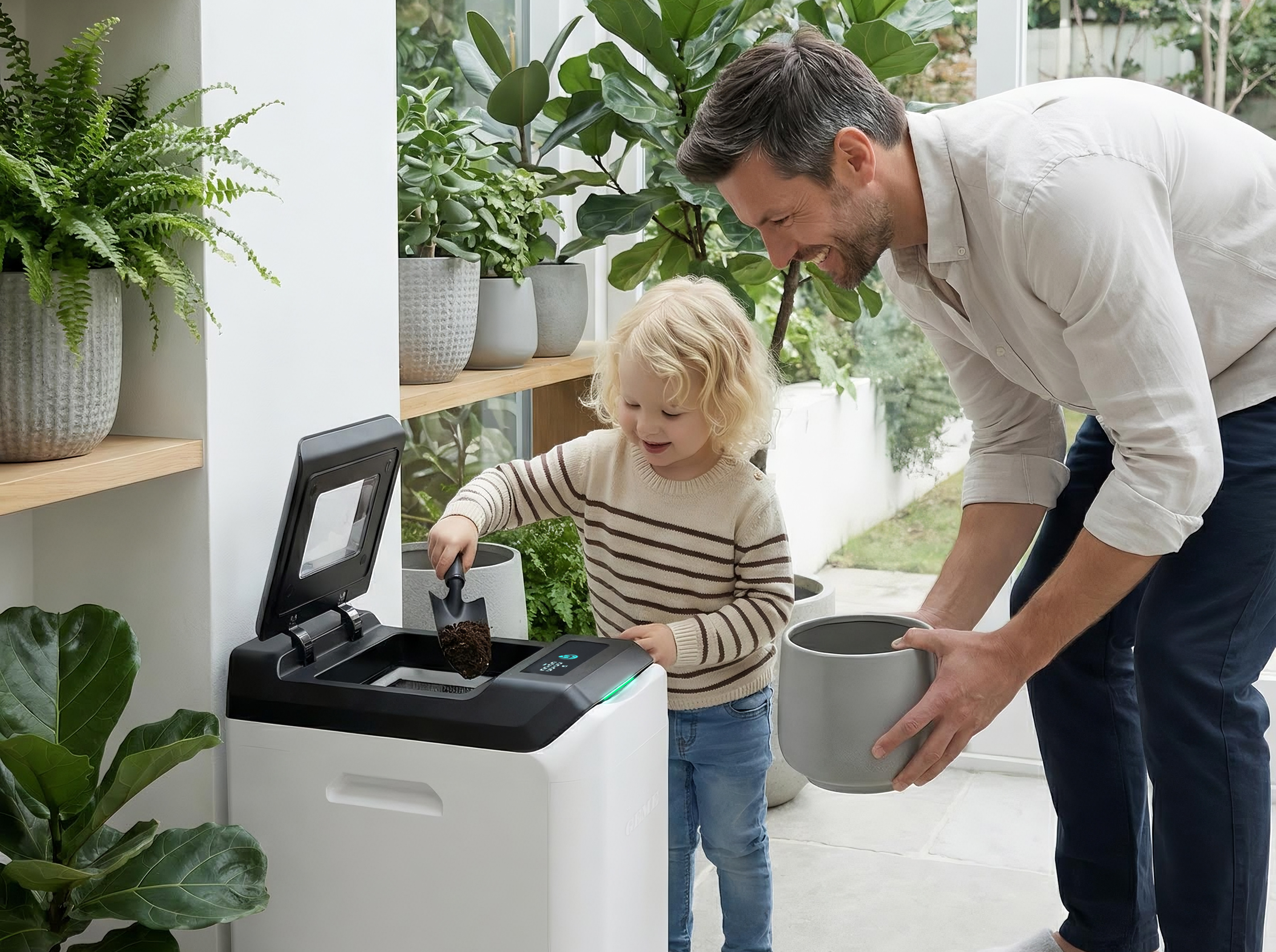
In this guide, I'll walk you through everything you need to know about spring garden fertilizer. We'll cover NPK ratios, organic vs synthetic options, how to prepare your soil, and most importantly, how to use compost effectively—including GEME compost for raised bed gardens.