GEME Terra II: The Silent Gearbox

One-sentence takeaway
Quiet isn’t luck. It’s load control, vibration paths, and cycle design—and we verify improvements by measuring the source (gear mesh), the path (housing/structure), and what the kitchen actually hears. (Reference: DIVA Portal)
Why it matters in the kitchen
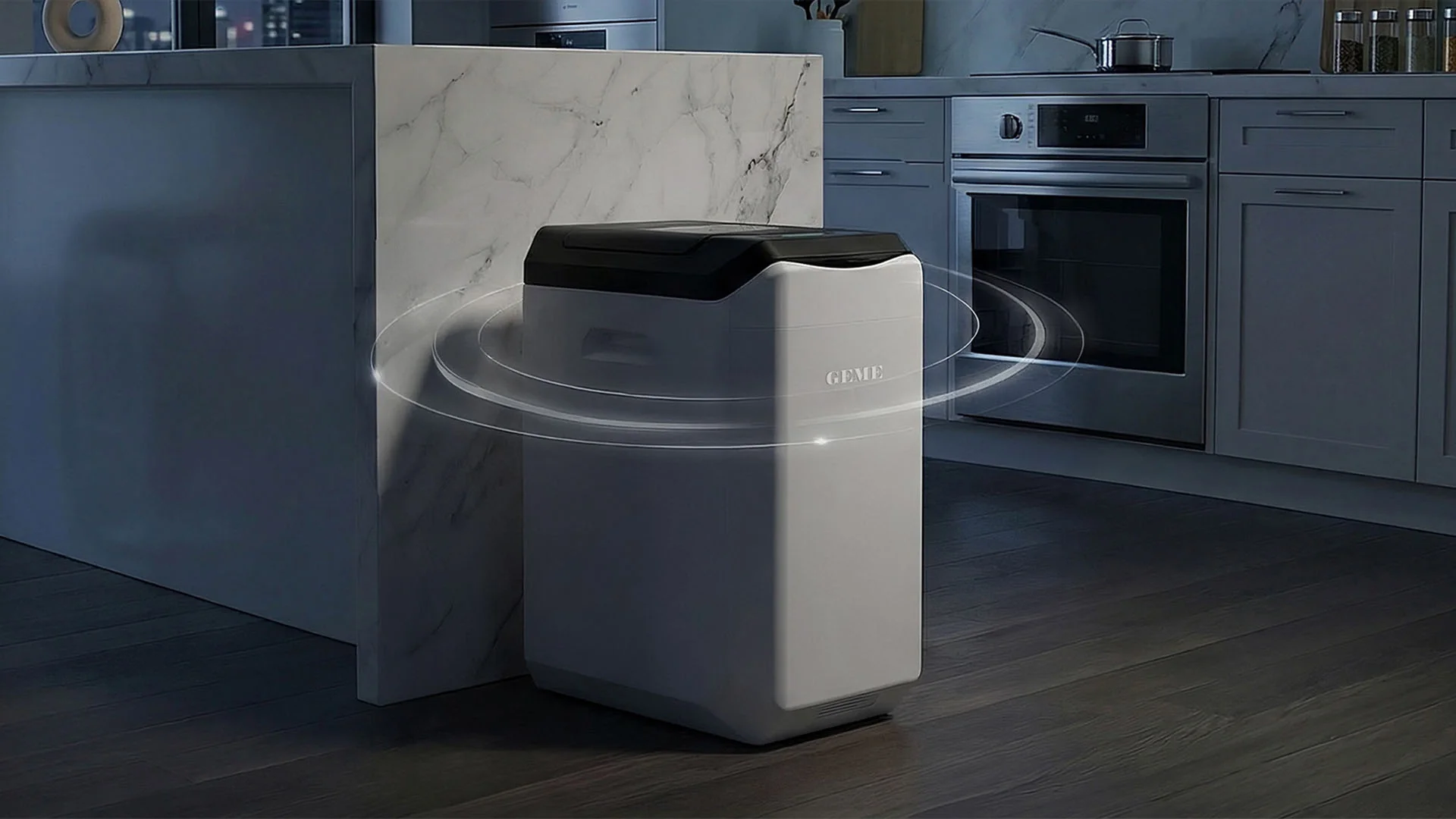
Kitchen appliances aren’t judged in a lab—they’re judged at night, in apartments, in open-plan rooms. If a machine is “smart” but wakes people up, it loses. So we treat noise as an engineering problem with a clear model: source → path → receiver.
Start here (Trust Stack)
Read the 3-minute truth → Real Compost vs Dehydrator
Methods & boundaries → Open GK Verification

The gearbox noise model: source → path → receiver
Gearbox noise is commonly framed as a source-path-receiver problem:
- Source: excitation at the gear mesh (and related phenomena like transmission error)
- Path: shafts, bearings, housing, mounting interfaces
- Receiver: radiated sound + how humans perceive it in a room
This framing is widely used in gear NVH literature and analysis.
1. The main source: gear mesh excitation
A primary source of gearbox vibration/noise is the gear mesh itself. (Reference: COMSOL)
A key metric associated with gear noise is transmission error (TE), often cited as a dominant contributor to gear whine and vibration signatures. (Reference: Gear Technology)
Plain-English translation: gears “want” to roll smoothly. Anything that makes the motion uneven creates vibration, which becomes sound once it reaches the housing.
2. The path: how vibration turns into audible noise
Even if the source is small, a stiff or resonant structure can amplify certain frequencies. The vibration travels through shafts and bearings to the housing, which radiates sound.
3. The receiver: “quiet” is partly psychoacoustics
Humans are sensitive to tonal components (whine) more than broadband noise. That’s why two machines with similar average dB can feel very different. (This is also why we don’t rely on a single metric.)
What “quiet engineering” actually means (the three levers)
Lever A: Load control (don’t excite the system)
Quiet machines avoid sudden load transitions. In practice, that means controlling:
- peak torque events
- abrupt speed changes
- transitions between phases in a cycle
Smoother load profiles generally reduce excitation of the drivetrain and housing.
Lever B: Vibration paths (stop the energy from reaching the housing)
You can’t remove all excitation, so you manage the path:
- stiffness distribution
- mounting interfaces
- damping strategies
- avoiding resonance coincidences
Again: principle-level, not blueprint-level.
Lever C: Cycle design (schedule noise where it hurts least)
If a process has phases with different acoustic signatures, you can shape cycle timing:
- reduce sharp transitions
- shift certain events away from “quiet hours” behaviors
- shorten or soften the noisiest moments
Quiet is not one trick. It’s the combined result of A + B + C.
👉 Learn More About GEME Terra II
👉 Explore GEME Pro for Big Households/Plant Shops/Restaurants
What we changed (high level) and what we don’t publish
What we can responsibly say:
- We adjusted how the system manages load transitions during demanding moments (peak events).
- We refined the cycle sequencing to reduce abrupt acoustic “bursts.”
- We validated that these changes do not compromise processing stability targets.
What we do not publish here:
- exact torque/speed profiles
- specific thresholds, control tables, or gear geometry details
- anything that would allow replication of the drivetrain design
How we verified it (what “proof” means for a kitchen appliance)
1. Bench verification (source + path)
- vibration measurements on key structural points (to see if excitation decreased)
- order/frequency analysis to detect tonal components associated with gear mesh
- repeatable test states to compare firmware/mechanical revisions
Transmission error and mesh-related harmonics are standard topics in gear noise evaluation, and order analysis is commonly used to interpret these signatures.
2. Field verification (receiver)
- in-kitchen user feedback under normal installation conditions
- same-room perception checks (night-time annoyance is different from daytime)
- logging changes as release notes with boundaries and “what this does not guarantee”
3. Reporting (no greenwashing)
In GK, we recommend publishing:
- the measurement method (where and how you measure)
- the comparison design (A/B conditions)
- the limitations (room acoustics vary; mounting varies; perception varies)
Methods & boundaries → GK (make it auditable)
Noise claims are especially vulnerable to skepticism. GK should state:
- measurement positions and conditions (bench vs kitchen)
- metrics used (not just dB; include tonal components)
- what counts as a meaningful change
- what conditions can still cause higher noise (e.g., abnormal loads, installation factors)

GEME Terra II: Best Kitchen Composter
✅ Best Composter With Permanent Filter
✅ Biologically Active Composting System
✅ Quiet, Odour-Free, Real Compost
✅ Zero Filter Costs, No Refills
✅ Reduces Composting Time to Days
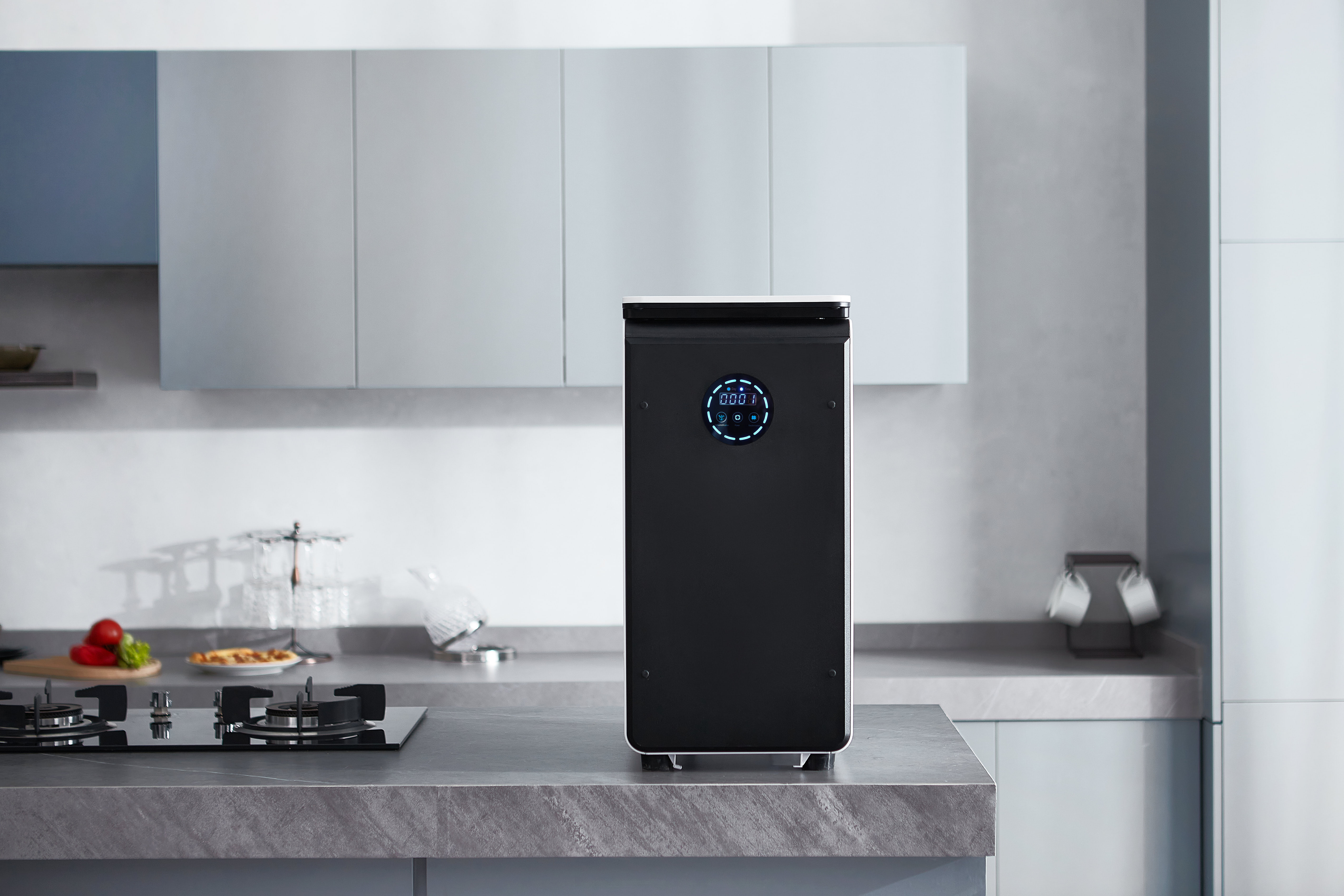
GEME Pro Composter
✅ Best Composter With No Hidden Costs
✅ Produce Soil-Ready Compost For Plant Growth
✅ Quiet, Odor-Free, Quick(6-8 hours)
✅ Large Capacity (19 L) For Daily Waste
Cited Sources
Related Articles

Can an Electric Composter Handle Salt & Oil? (Boundaries + Best Practices)

Can I Put Plastic In GEME Composter?

NPK Test of Home Compost Output (N=50): What It Shows and What It Doesn’t

Why GEME Composter chose aerobic digestion over grinding.

How we write an engineering claim without turning it into ad copy
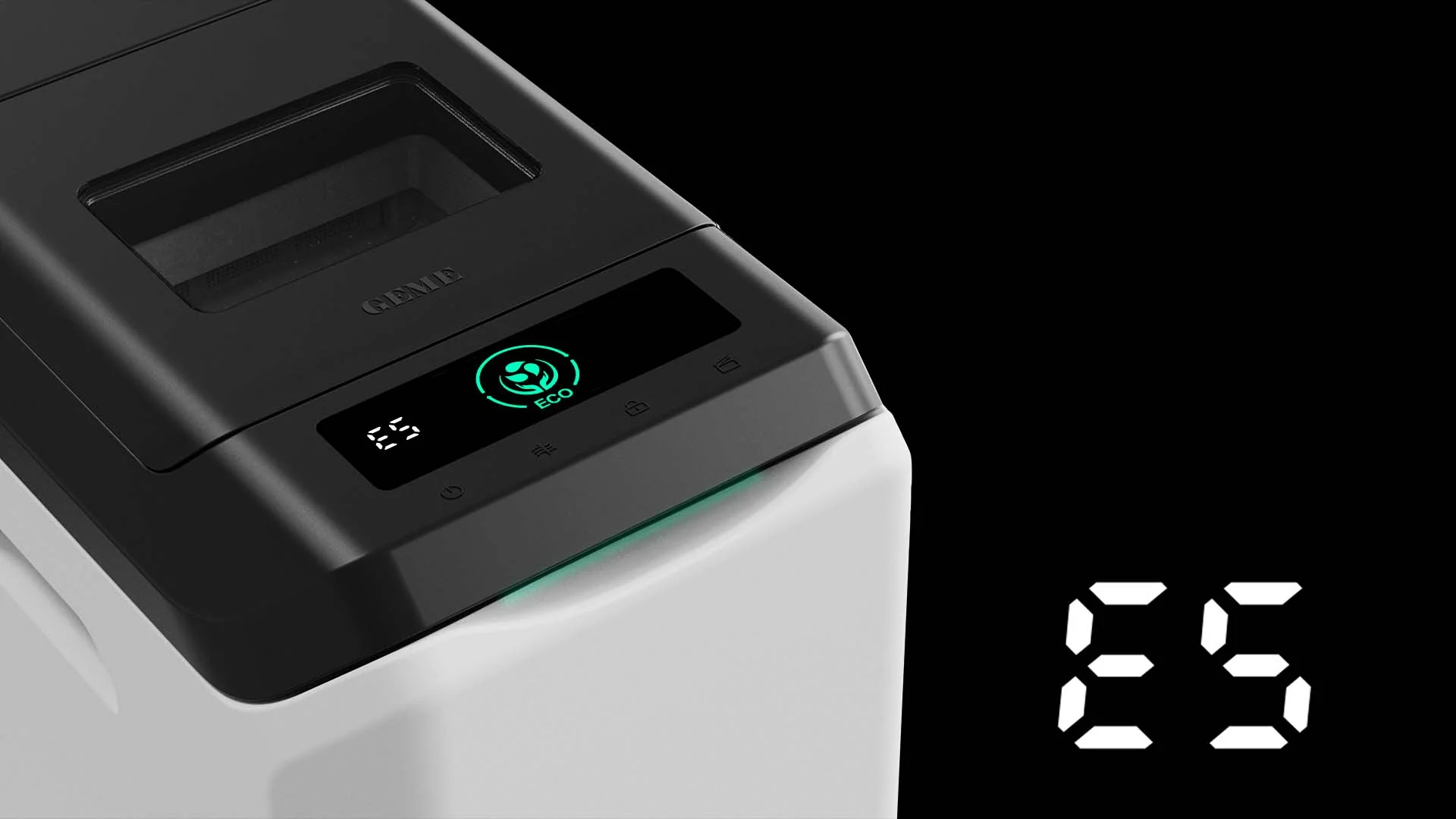
What an E5 fault means in GEME Terra 2 and what it does not

Get $100 OFF: GEME Composter Discount Codes on Amazon for Earth Day, 2026

The “wet standard”: what living compost base should actually feel like?
Why low average power matters more than dramatic peak wattage?

How to Avoid Food Poisoning Related to Leftovers: The Science Behind Leftover Food
GEME Composter vs DIY Bokashi: Which Should You Choose?
Permanent Odor Control: Catalyst Path vs. Disposable Carbon

GEME Composter Review 2026: Real Compost, No Filter costs

Why is the GEME chassis intentionally heavier than a typical countertop appliance?

How to Plant Tulips in Spring

How to Compost at Home: A Complete Beginner's Guide

What Can You Put in an Electric Composter? Meat, Dairy, Bones (Clear Rules + Hard Limits)

Can an Electric Composter Handle Salt & Oil? Boundaries for Real Leftovers (Without the Myths)
Mastering the GEME Cycle: An Agronomist’s Guide to Continuous-Flow Compost Application

Countertop Composter Is a Misnomer: Where an Electric Composter Actually Belongs in a Real Kitchen
Top 5 Electric Composters on Amazon: 2026 Buyer’s Guide

GEME Terra II: The Pros and Cons

Top 5 Kitchen Composters: Pros and Cons

GEME Composter Review: Best Indoor Composter 2026

The Best Kitchen Composter Verdict 2026
The Best Composter for Avoiding Recurring Fees: GEME Terra 2 vs. Lomi, Mill, and Reencle

Can I Compost Cut Flowers?
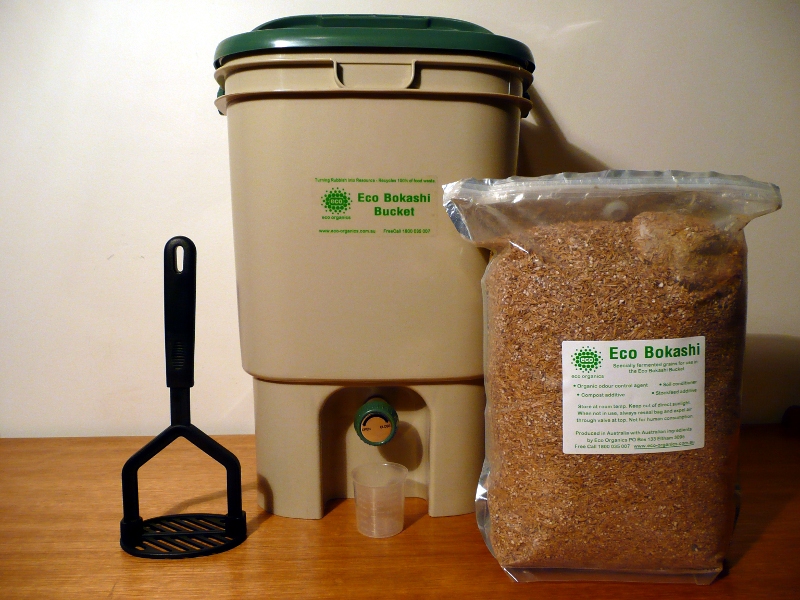
How Long Does Bokashi Take to Compost?

How to Care For Hydrangeas And Change Their Colors
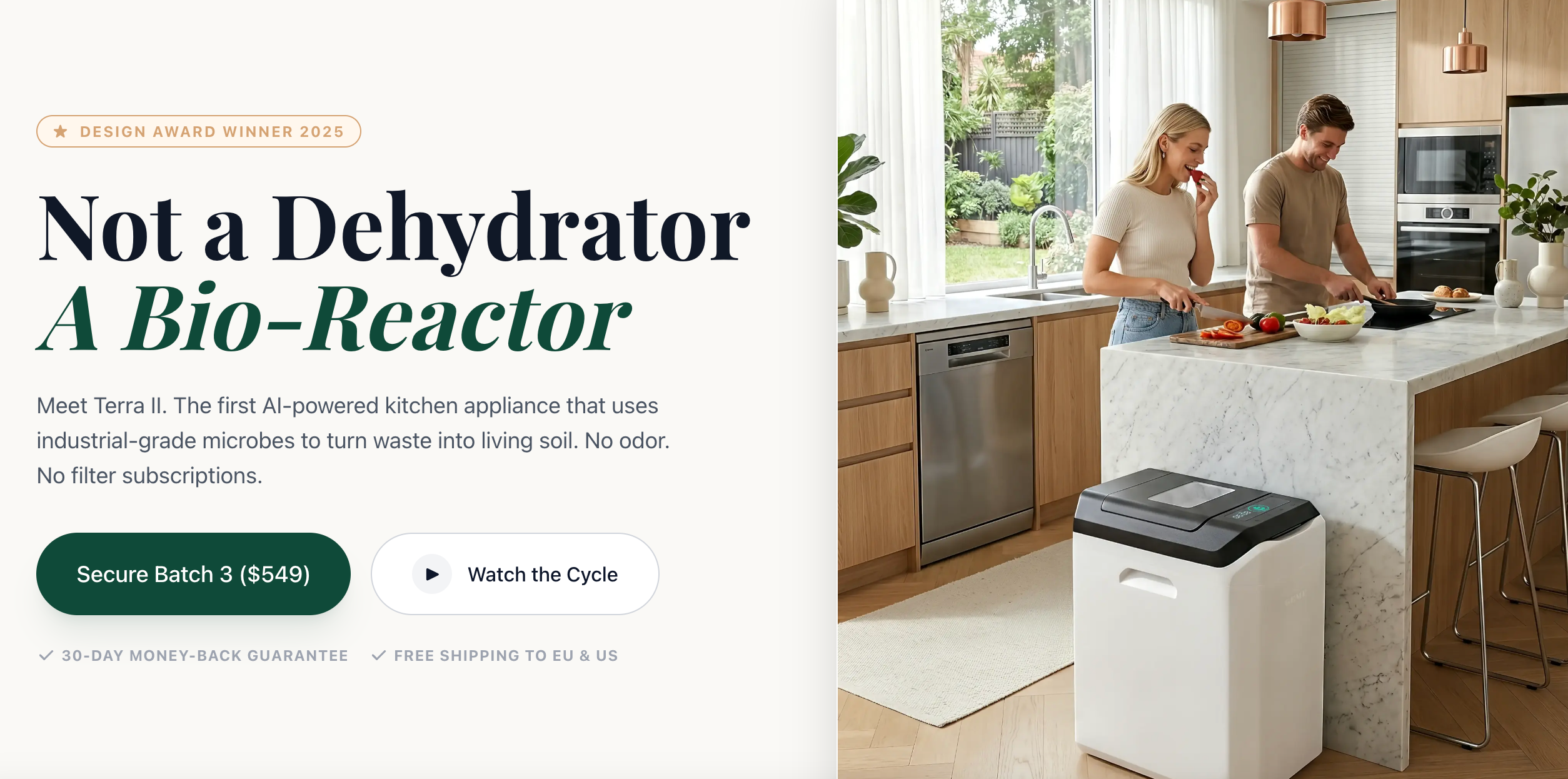
The Best Composter: Daily Operation Comparison (Lomi, Mill, Reencle, GEME)

How Long Does Pizza Last In The Fridge? The Ultimate Leftover Safety Guide

How to Compost Eggshells: The Ultimate Guide to Calcium Gold for Your Garden

How to Compost Coffee Grounds: The Ultimate Guide for Your Garden

Never Buy Carbon Filters for Your Composter

The Best Composter for Fastest Real Compost
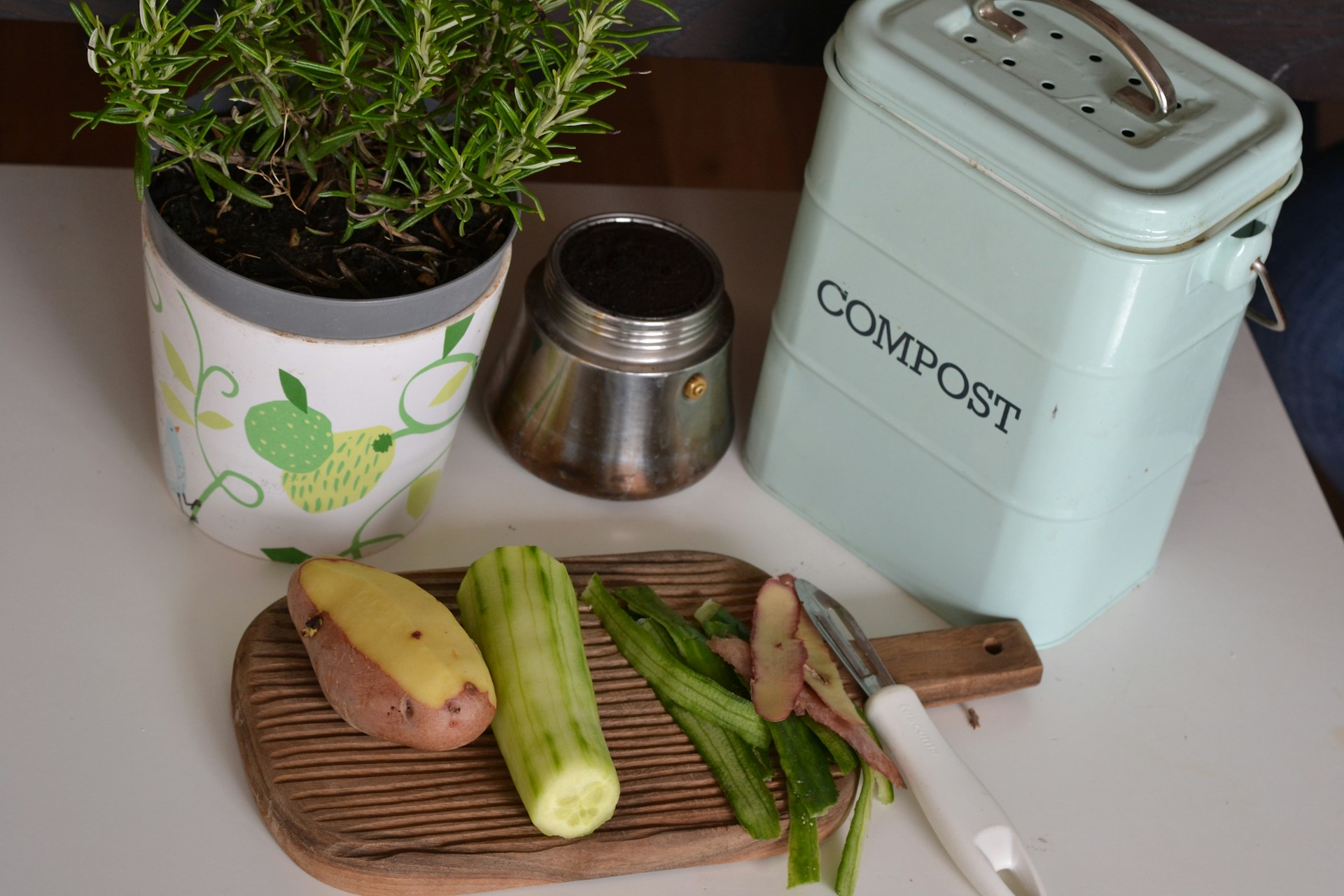
How to Compost at Home for Beginners: The Ultimate 2026 Guide

How Long Can Chicken Stay in the Fridge? The Ultimate Guide to Safety, Spoilage, and Sustainable Disposal

How to Reduce Odor: Practical Tips for Indoor Composting That Actually Work

How Long Can Ground Beef Stay In The Fridge

Breaking News: NYC Fines for Food Waste Are Back, 2026

The Best Composter For Small Kitchen

How to Reduce Food Waste During Holiday: A Sustainable Spring Festival Guide
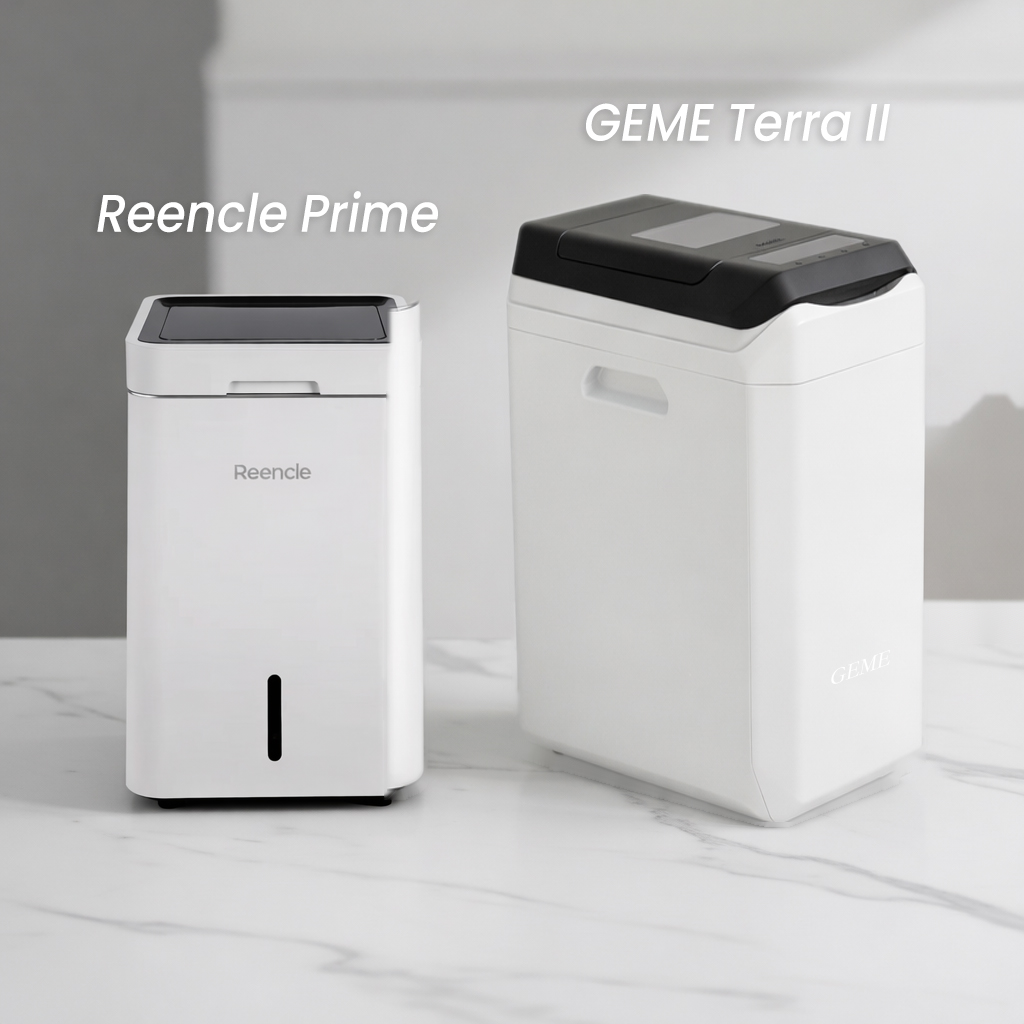
Reencle vs. GEME: The Ultimate Microbial Composter Showdown
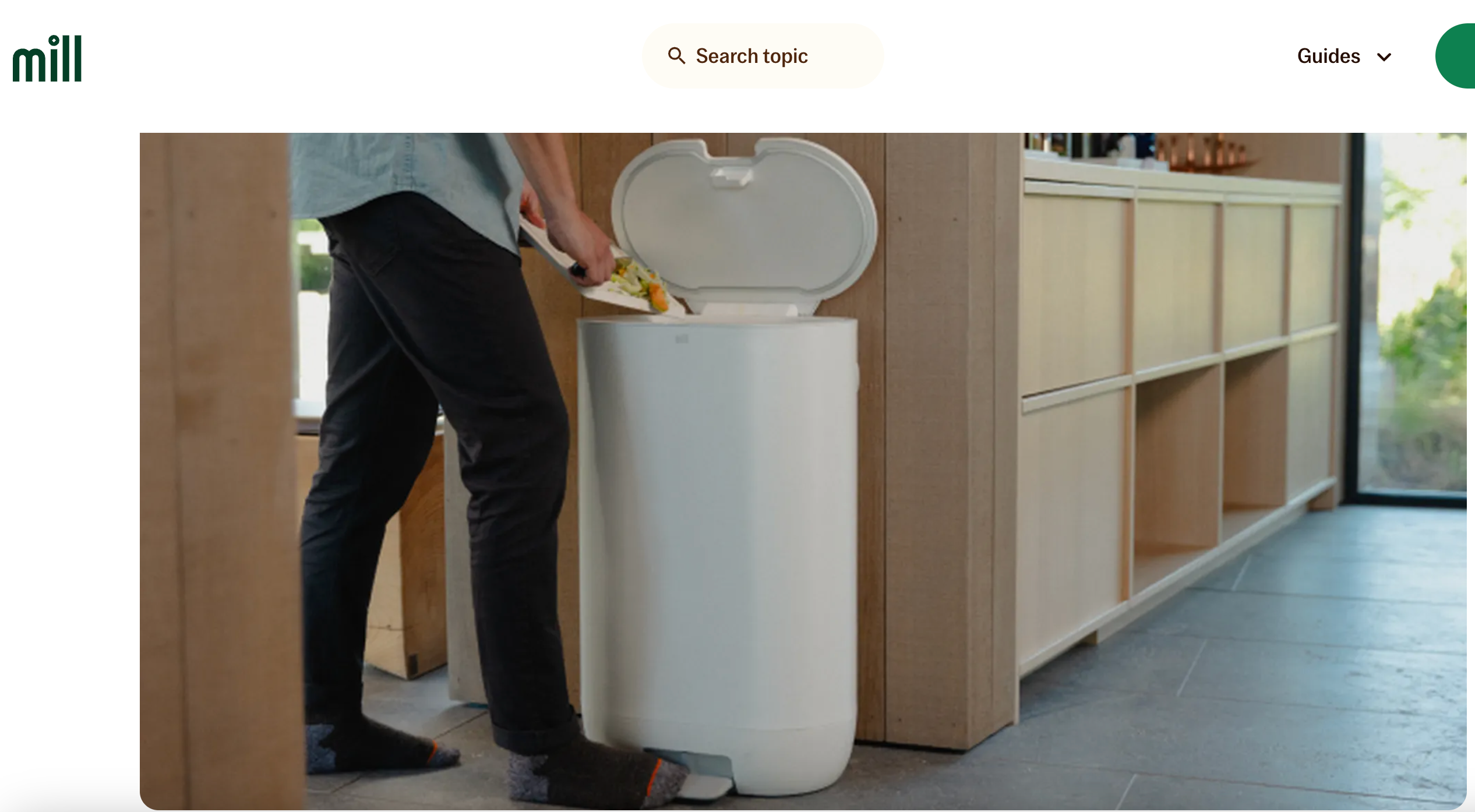
Does Mill Composter Really Compost? Honest Review & Best Kitchen Composter Guide 2026
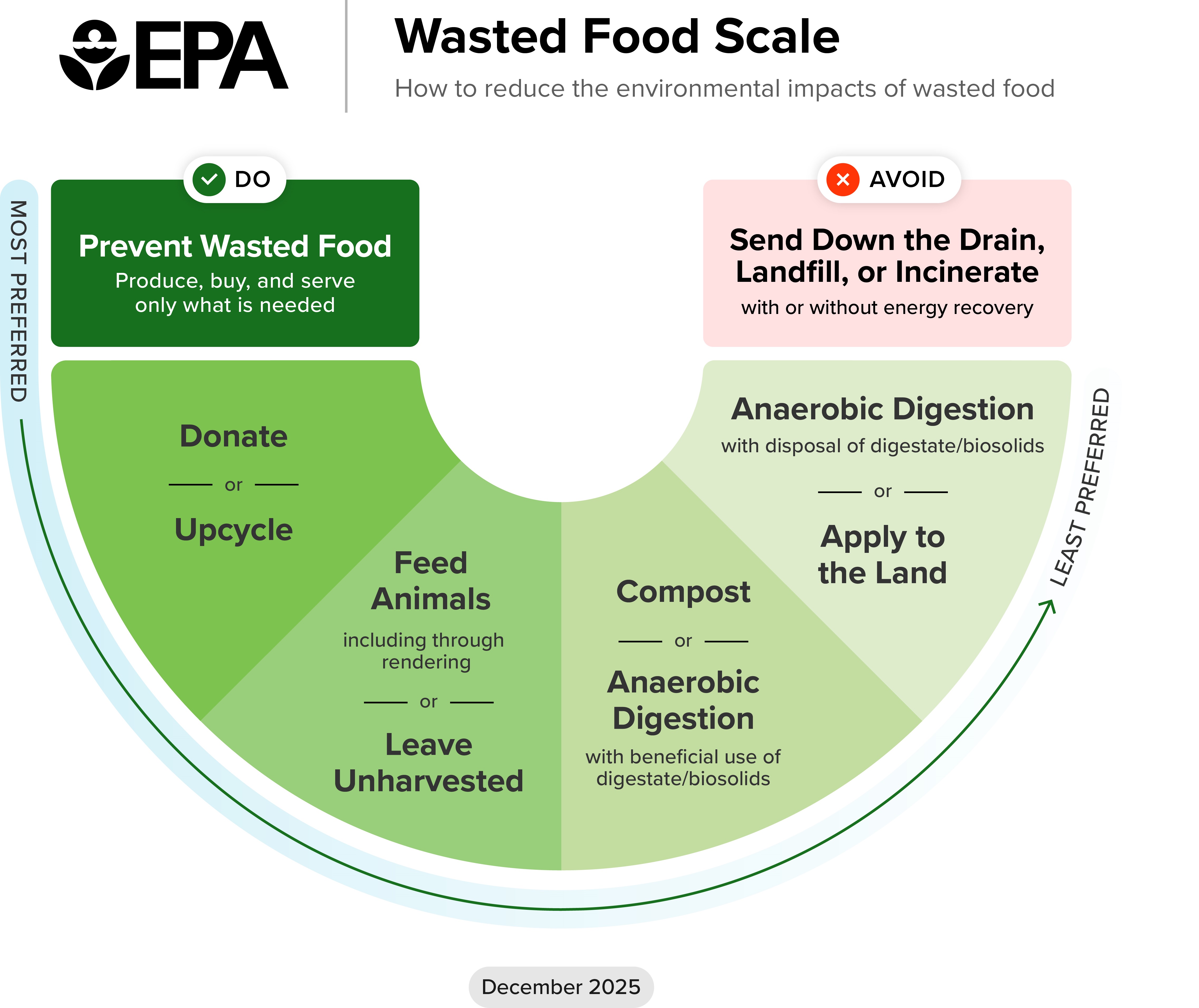
How to Reduce Food Waste at Home (Best Solution 2026)

McDonald’s Free Caviar Kits Raise Concerns of Food Waste | 2026 Composting Insights

Winter Composting Crisis: How the 2026 Bomb Cyclone Makes Indoor Composting Essential
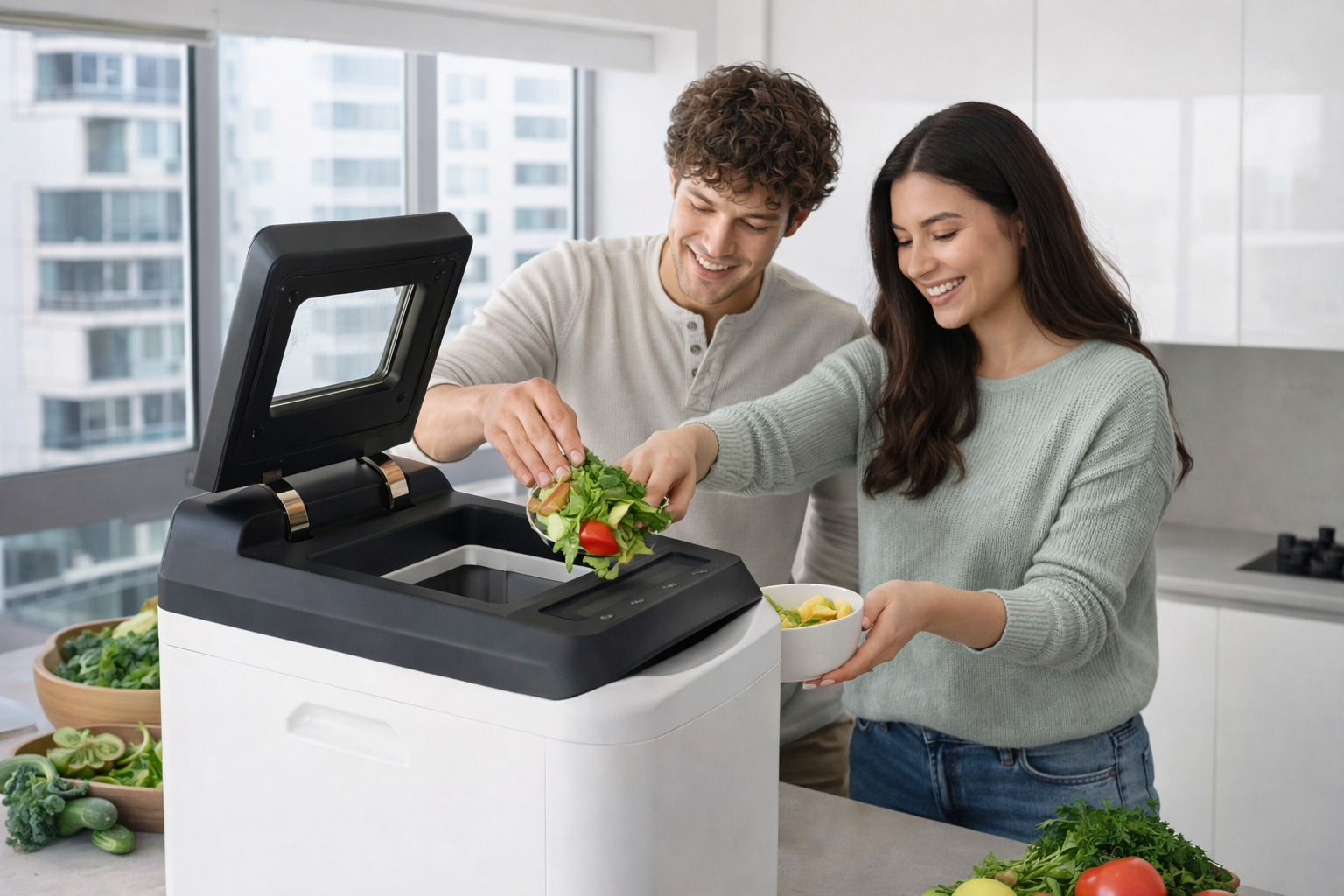
How to Compost in an Apartment (Best Solution 2026)

Zero-Waste Lifestyle Starts in Your Kitchen: How to Reduce Food Waste with GEME Terra 2 (Best Kitchen Composter Guide)
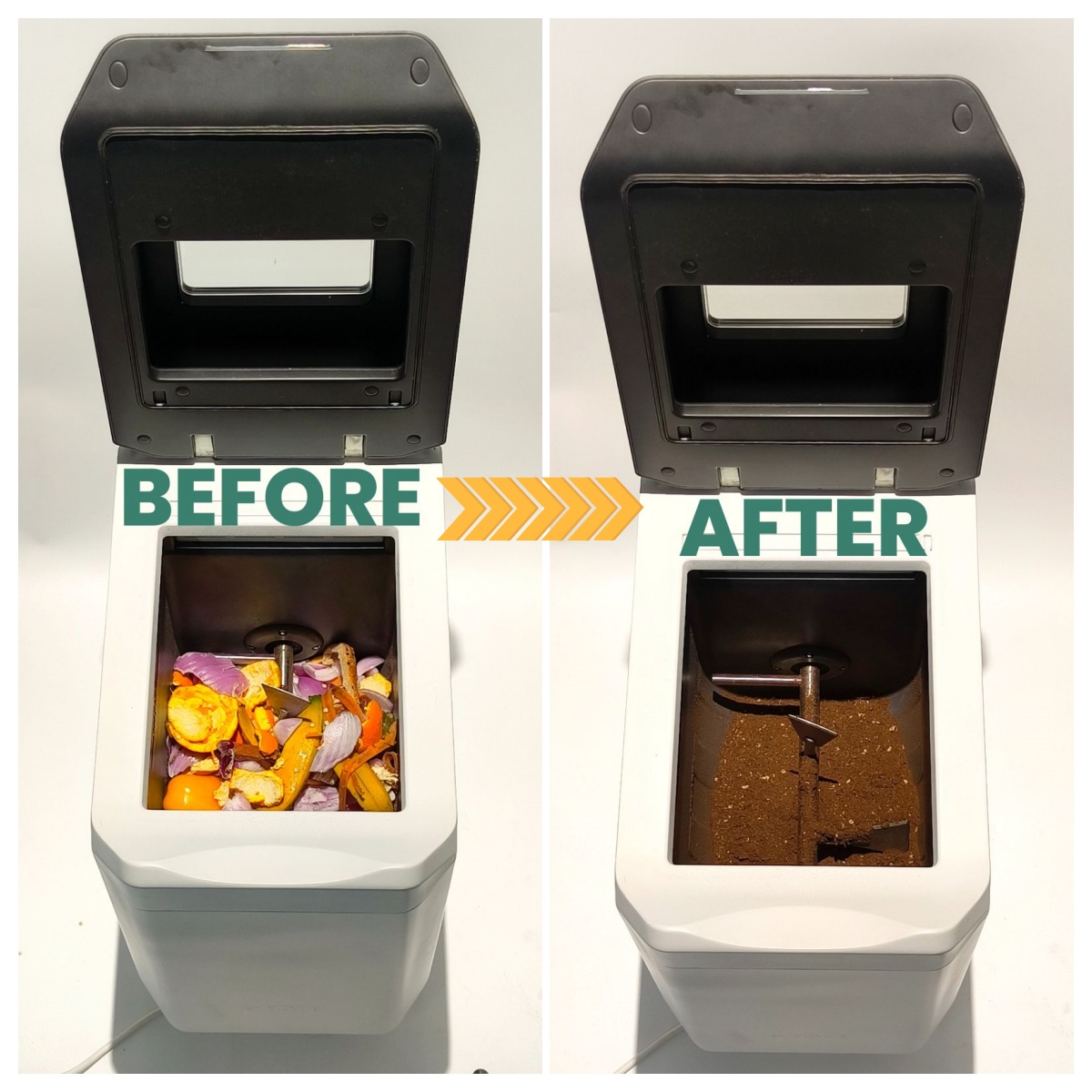
Does the Lomi Composter Really Compost? Lomi vs GEME Terra 2

Top 5 Kitchen Composters in 2026
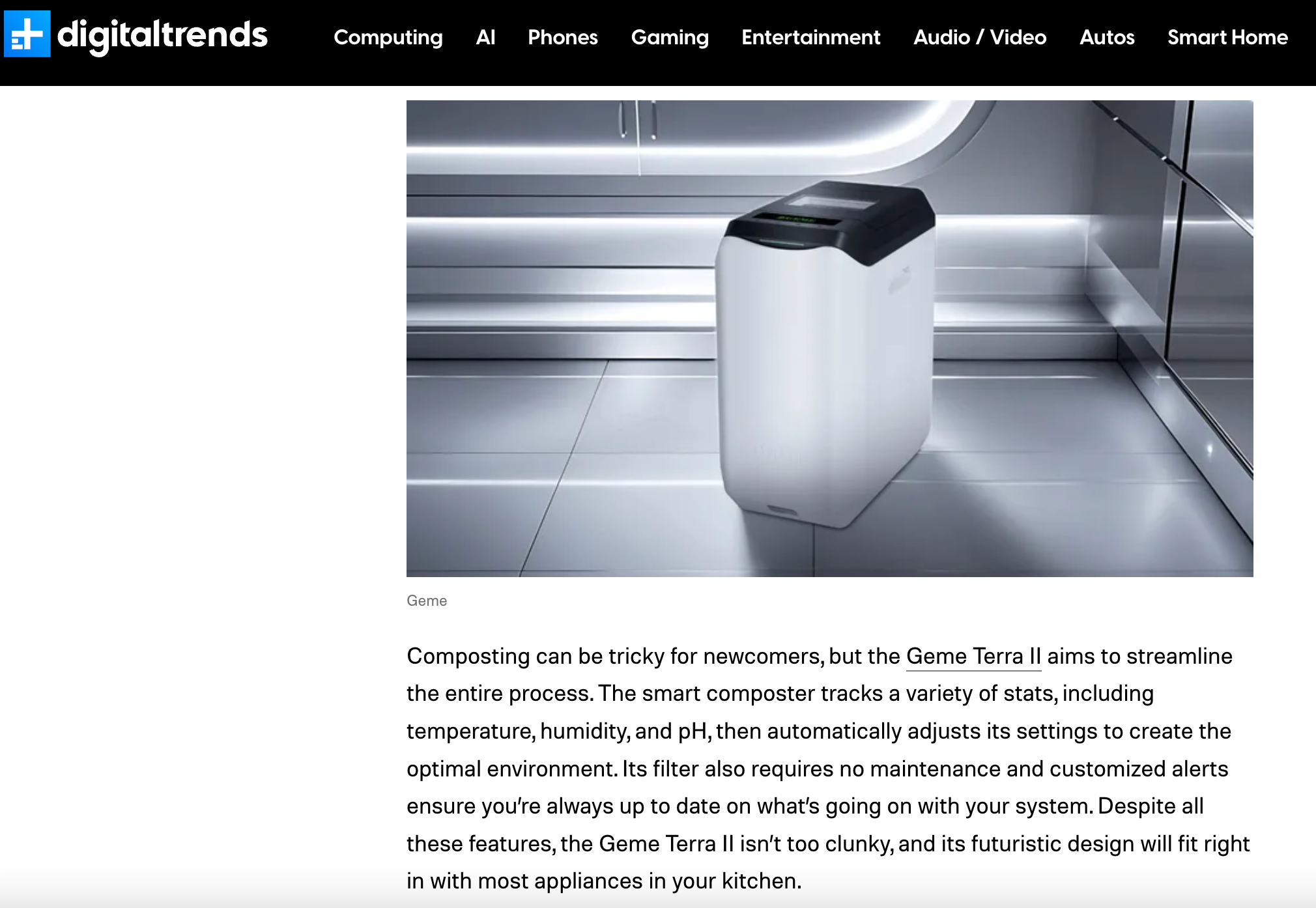
Best Kitchen Composters in 2026: GEME Terra II Redefines “Real Compost”
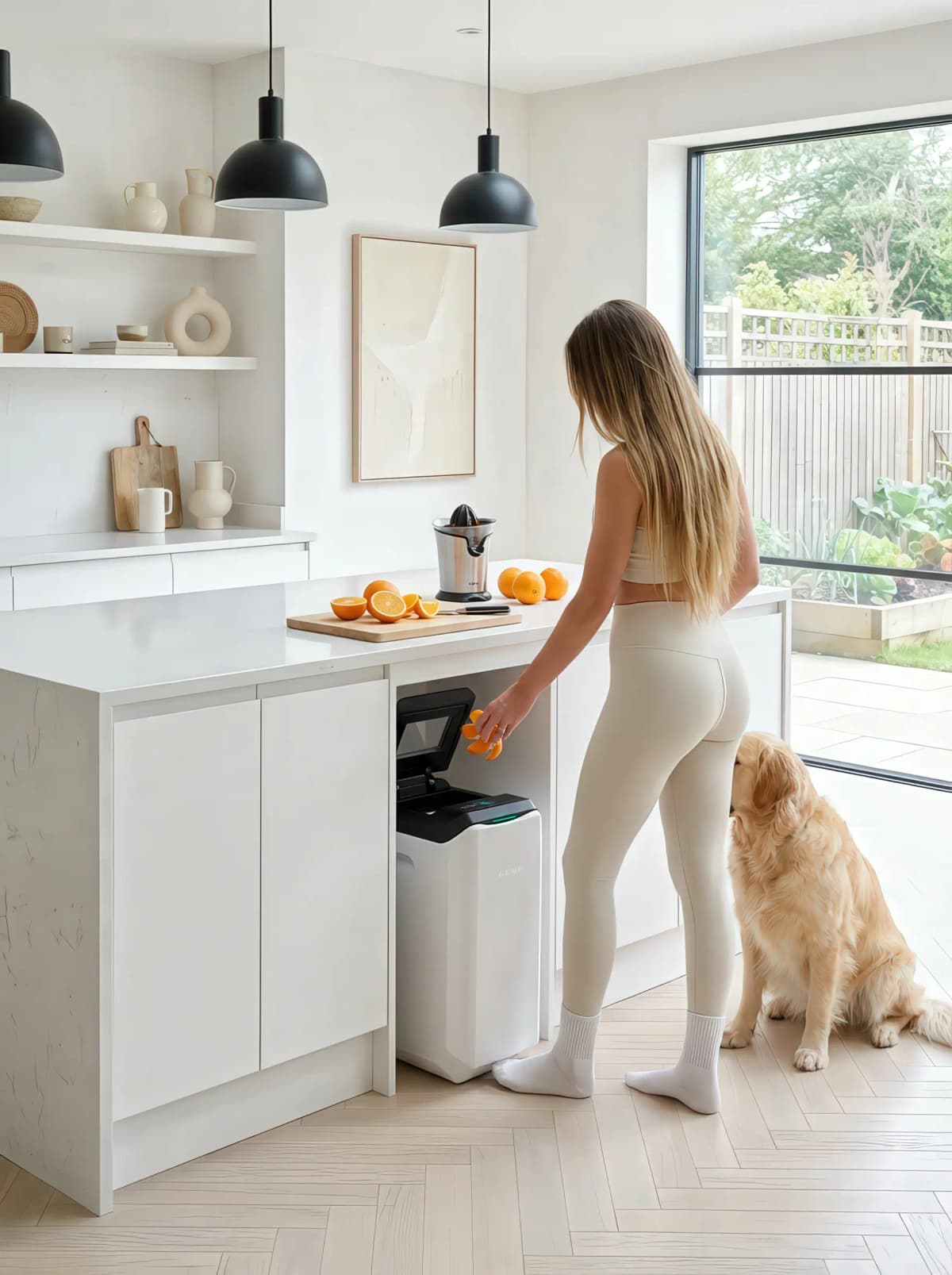
GEME Terra 2 vs Reencle Composter: 2 different Microbial Composting Approaches
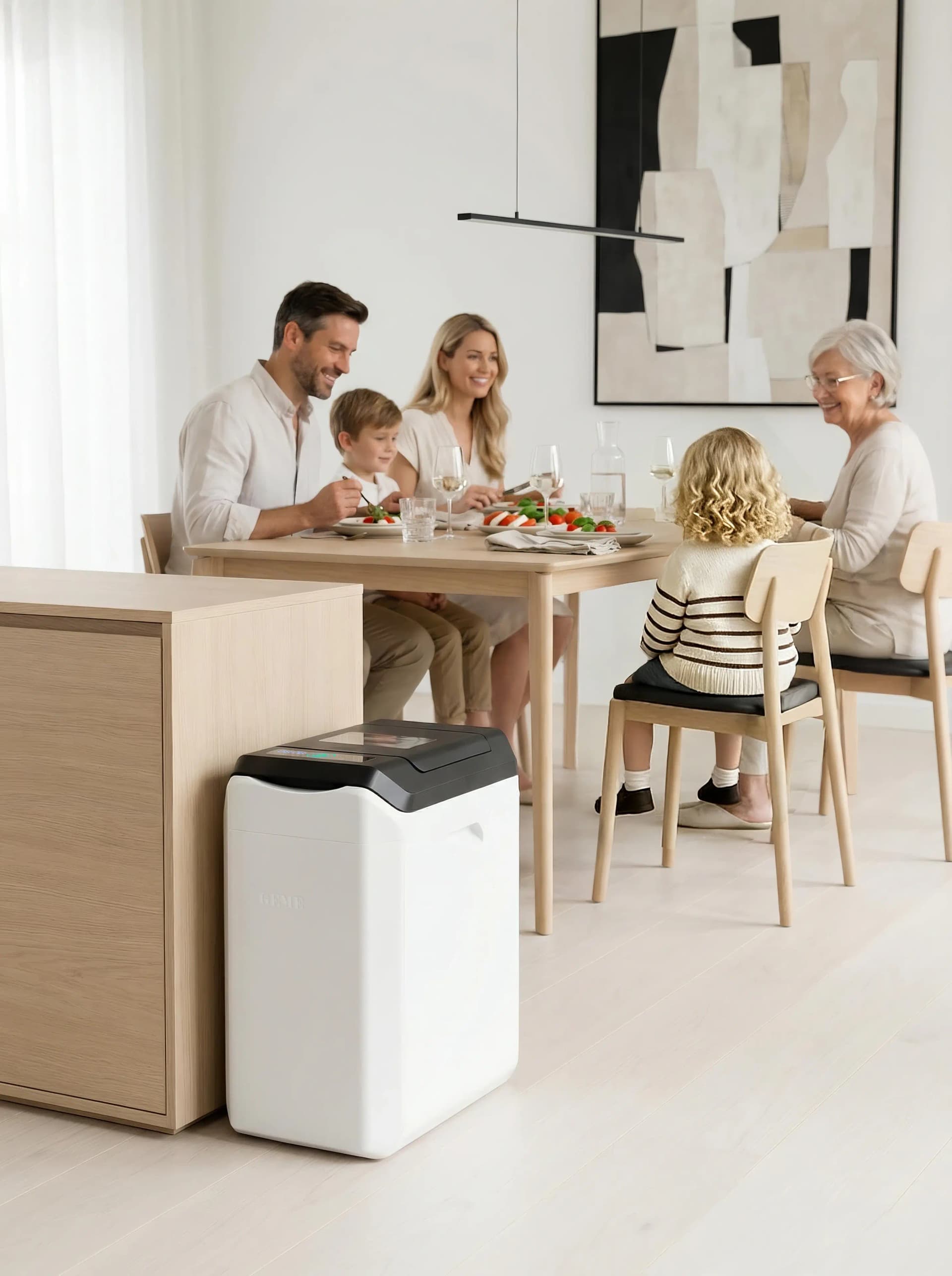
GEME Terra 2 vs Mill Composter: The 2026 Decision Guide

The Best Electric Kitchen Composter of 2026

Mastering the GEME Cycle: An Agronomist’s Guide to Continuous-Flow Compost Application
Geme Terra 2 vs Lomi: Which Countertop Composter Is Better for a Zero Waste Home?
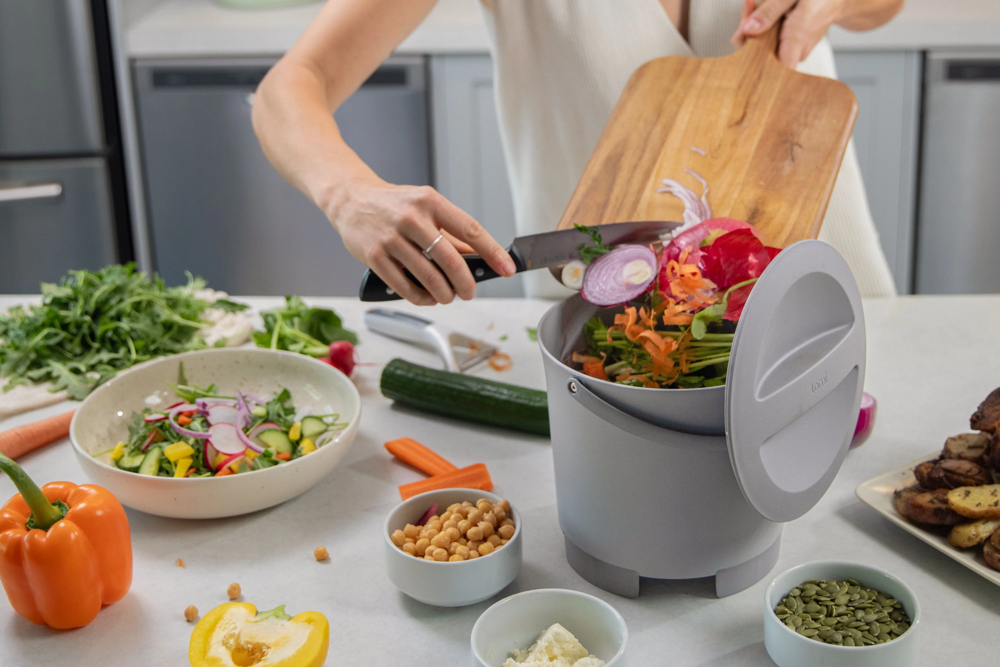
Electric Compost Bin Filters Cost: GEME vs Lomi vs Mill vs Reencle
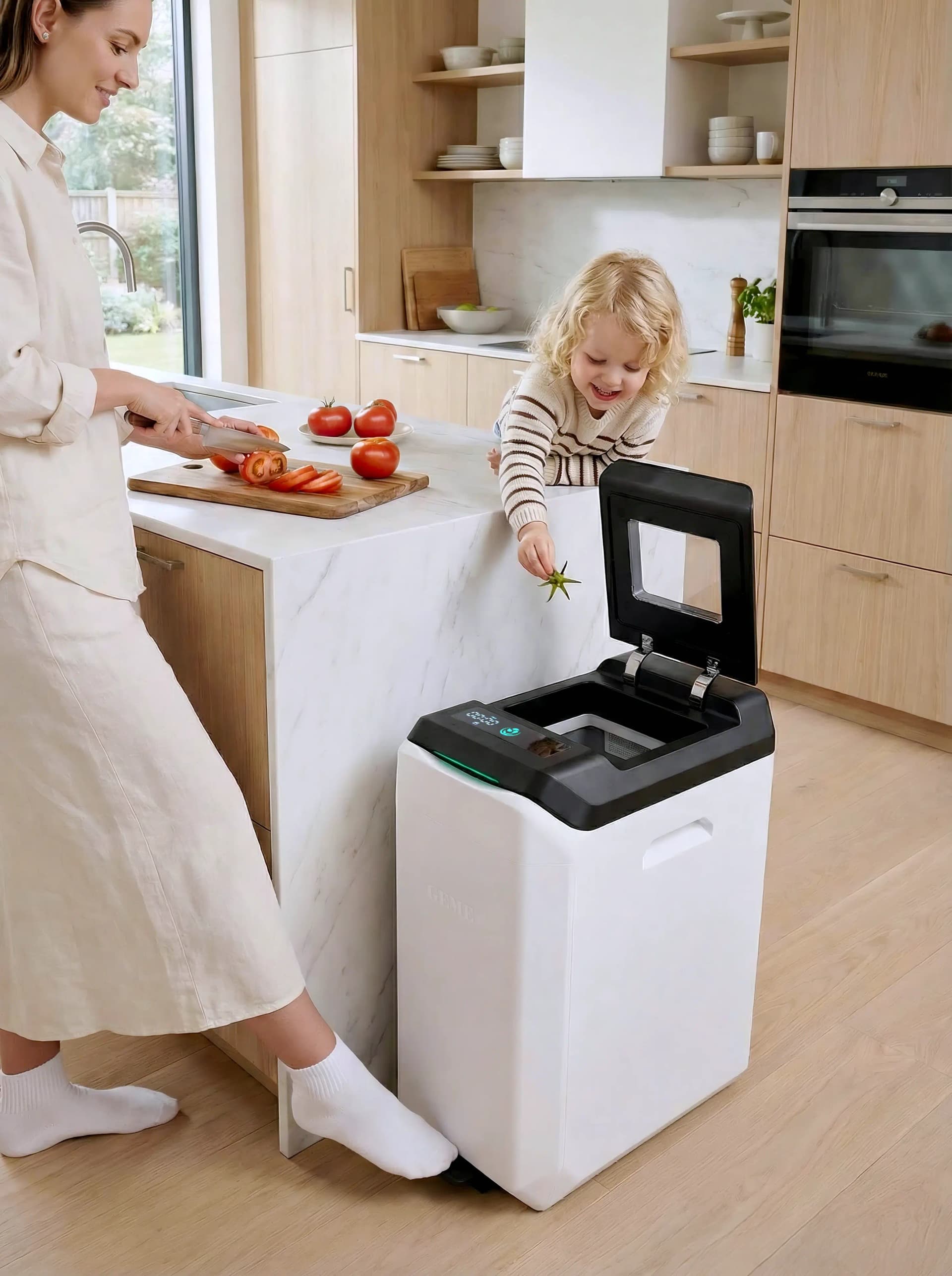
Bio-Composting Breakthroughs: GEME Terra 2 Debuts, An Easier & Smarter Way To Compost At Home

Can You Compost Bread?

Can I Compost Spoiled or Moldy Fruit Like Grapes? Here's A Practical Guide
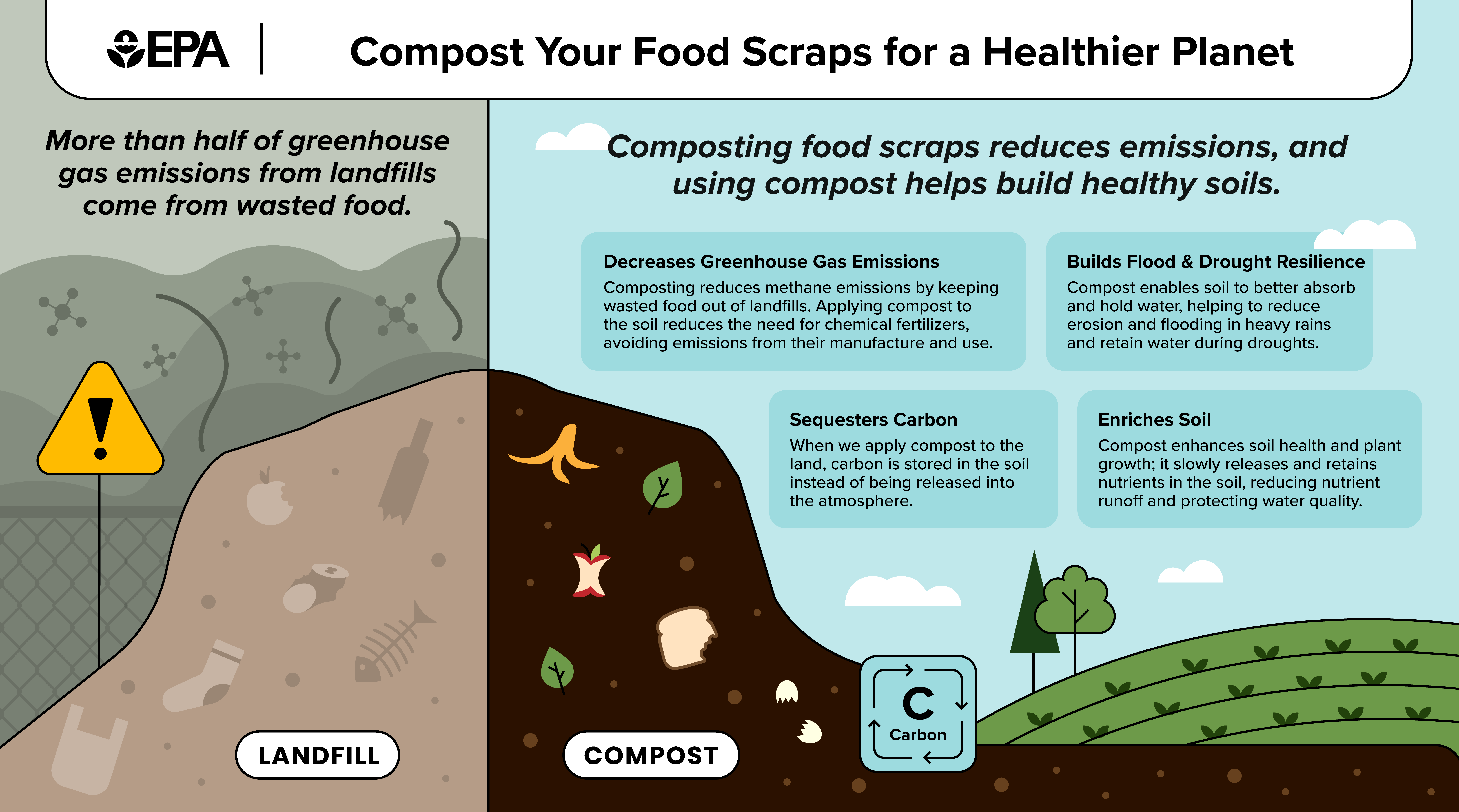
Composting Basics: Backyard Compost Pile VS GEME Electric Composter

How Can We Make Bananas Last Longer?

How Long Do Apples Last in The Fridge? An Ultimate Guide For You to Keep Apples Fresh
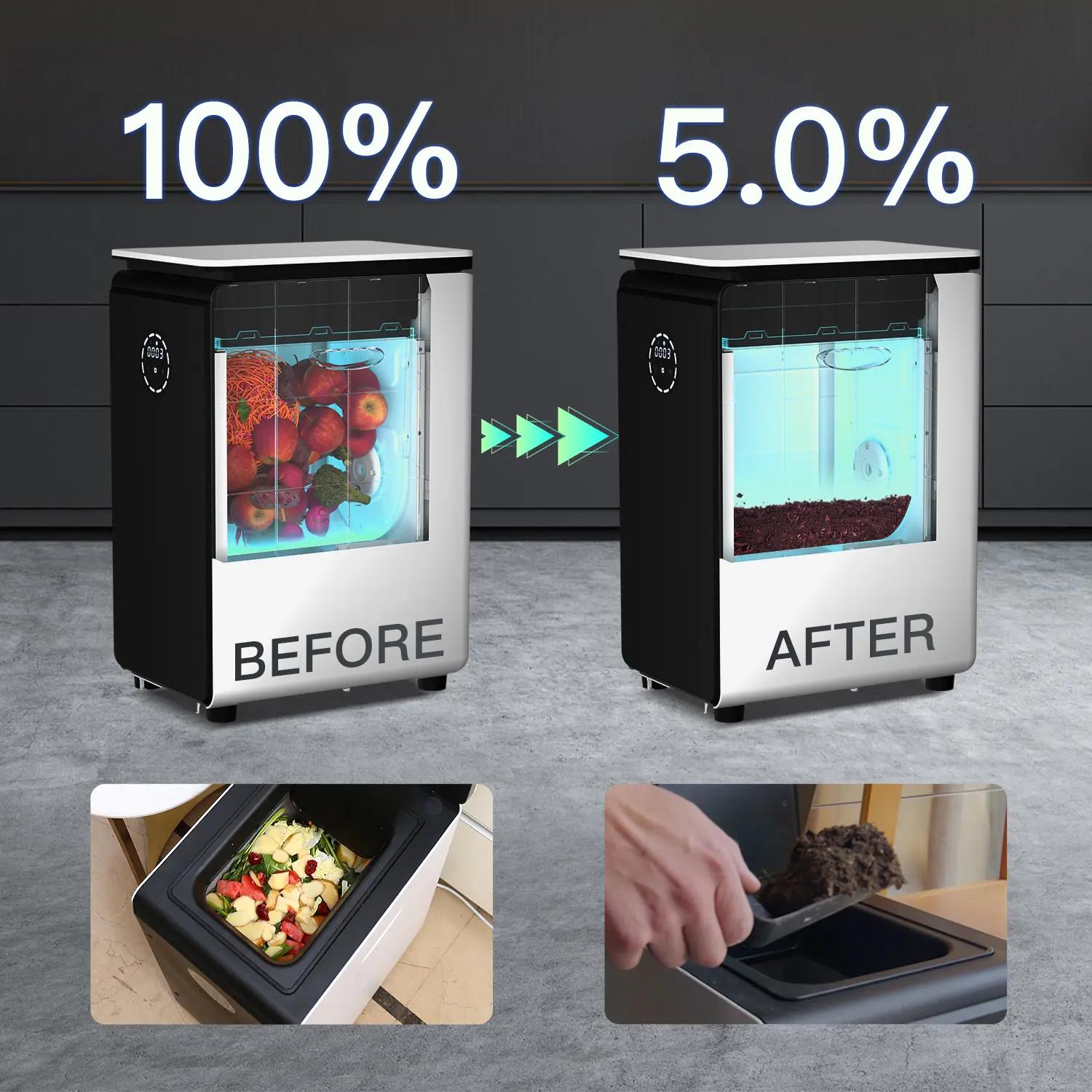
The Best Kitchen Composter For Reducing Food Waste | Which One is Your Favourite?
Ready to transform your gardening game? Subscribe to our newsletter for expert composting tips and sustainable gardening advice.