Why GEME Composter chose aerobic digestion over grinding.

One-sentence takeaway
Grinding makes scraps smaller. Aerobic digestion makes them biologically stable. That difference is the line between “processed waste” and “usable compost.”
Why it matters in the kitchen
If you only reduce size, you can still end up with material that smells, rehydrates, attracts pests, or behaves like trash once it leaves the machine. Aerobic composting is an oxygen-driven biological process; oxygen is not a nice-to-have, it’s what microbes need to convert food into stable organic matter. (Reference: US EPA)

The misconception: “If it’s ground, it’s composted.”
Grinding (or shredding) can help decomposition by increasing surface area—microbes have more access to substrate. (Reference: PMC)
But surface area is not the same as stability.
Stability requires:
- Oxygen availability (aerobic metabolism) (Reference: US EPA)
- Moisture control (too wet → oxygen collapses; too dry → biology slows)
- Temperature management (thermophilic range accelerates breakdown but has biological limits) (Reference: Chester County Solid Waste Authority)
- Time under controlled conditions (active phase + curing behavior)
Grinding can speed biology only if you keep the system aerobic. If you don’t, smaller particles can compact more easily, reducing air gaps and raising the risk of anaerobic pockets. (Reference: PMC)
The engineering trade-off: smaller particles are not always better
From a microbiology + process engineering standpoint:
- Smaller particles can accelerate breakdown…
Shredding is widely reported to increase the degradation rate by improving microbial access.
- …but also increase compaction risk
When particles get very small, pores clog with water and fines. That can choke oxygen transfer, pushing parts of the mass toward anaerobic behavior (odor, acids, instability).
So the goal isn’t “grind as much as possible.” The goal is to maintain aerobic conditions reliably across real household inputs.
What “aerobic digestion” actually means (in plain language)
Composting is fundamentally aerobic: microbes “breathe” oxygen while converting organics. Aeration—turning, forced air, and structure support this metabolism.
In controlled systems, you’re essentially managing four levers:
- Oxygen supply (airflow and mixing to prevent dead zones)
- Moisture window (biology needs water, but oxygen needs pores)
- Thermal window (warm enough to be fast, not so hot you stall)
- Residence time (enough time for the output to behave like compost, not scraps)
Grinding can be one small part of the toolbox. It cannot substitute the process. (Reference: PMC)
👉 Learn More About GEME Terra II
👉 Explore GEME Pro for Big Households/Plant Shops/Restaurants
What we claim (and what we do not)
Claim
GEME is designed around controlled aerobic digestion—not “grinding first and calling it compost.”
What we do not claim
- That grinding is “bad.” It can help if aerobic conditions stay intact. (Reference: PMC)
- That any single metric (e.g., volume reduction) proves compost quality.
If you’re evaluating any “kitchen composter,” ask one question: Does it create biologically stable material, or just smaller material?
Methods & boundaries (read before you generalize)
- Aerobic composting performance depends on feed mix, moisture, and aeration.
- Temperature ranges matter, but “hotter” is not always “faster,” because microbial communities have limits.
- Particle size interacts with oxygen transfer; over-fine material can compact and reduce aeration.
Methods & boundaries in full → Open GK Verification
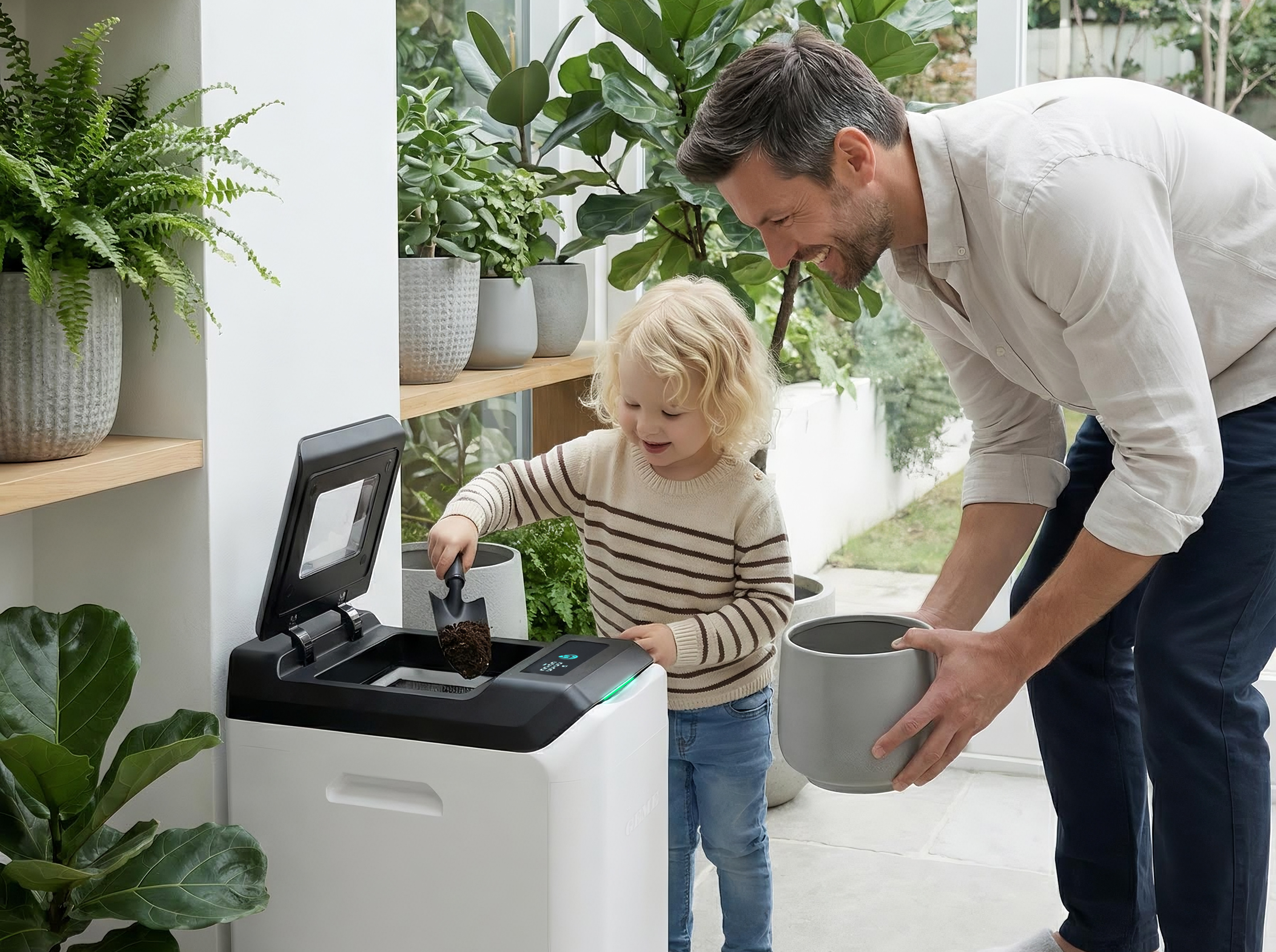
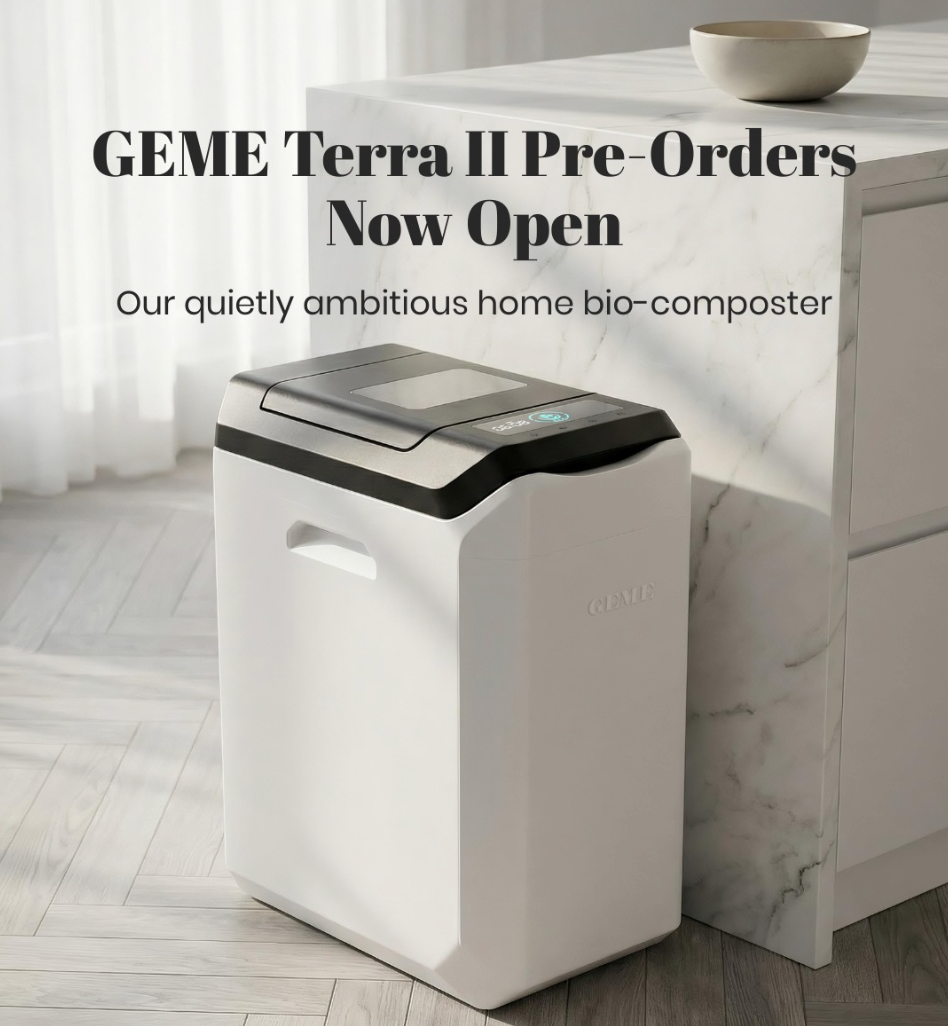
GEME Terra II: Best Kitchen Composter
✅ Best Composter With Permanent Filter
✅ Biologically Active Composting System
✅ Quiet, Odour-Free, Real Compost
✅ Zero Filter Costs, No Refills
✅ Reduces Composting Time to Days
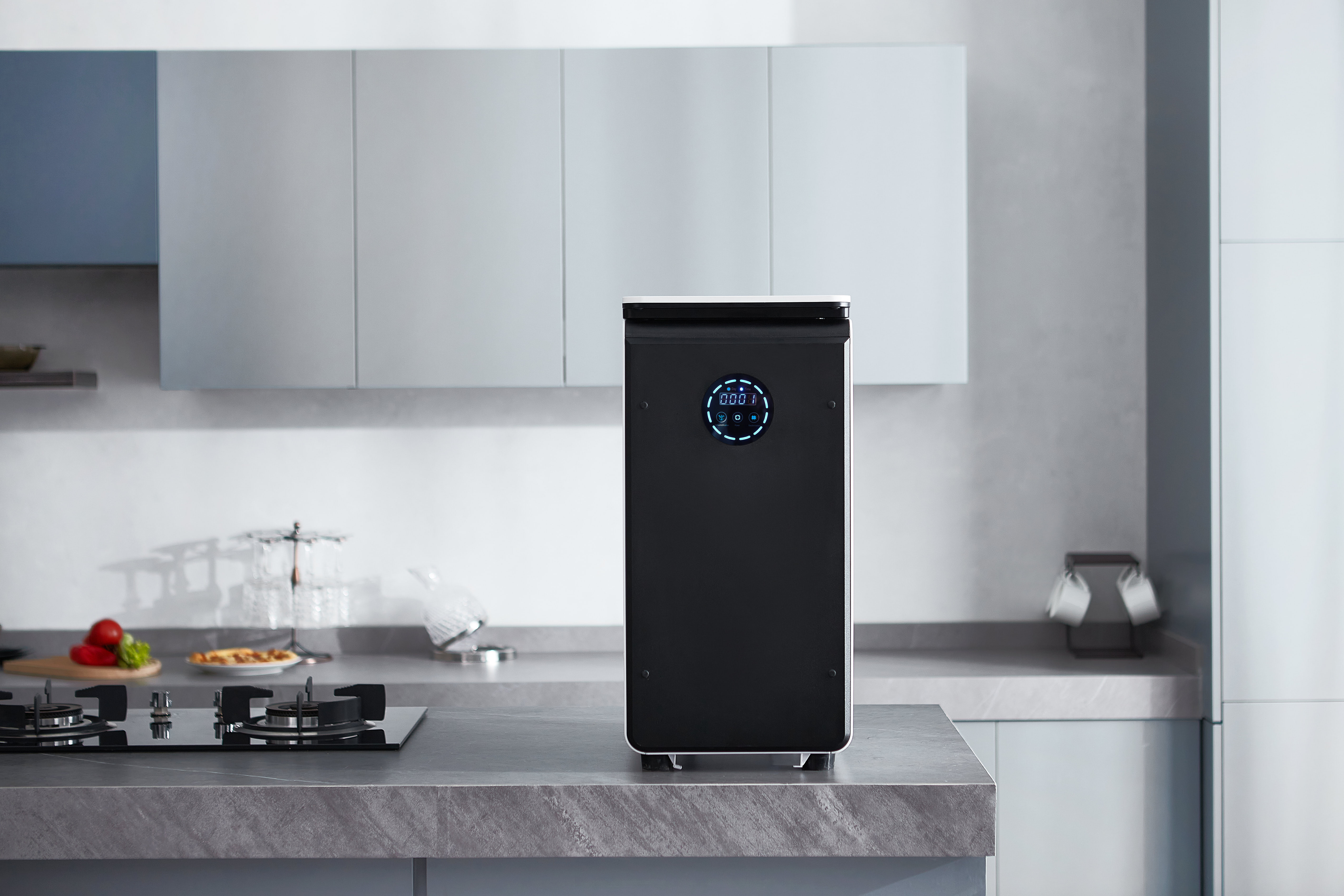
GEME Pro Composter
✅ Best Composter With No Hidden Costs
✅ Produce Soil-Ready Compost For Plant Growth
✅ Quiet, Odor-Free, Quick(6-8 hours)
✅ Large Capacity (19 L) For Daily Waste
Cited Sources
Related Articles
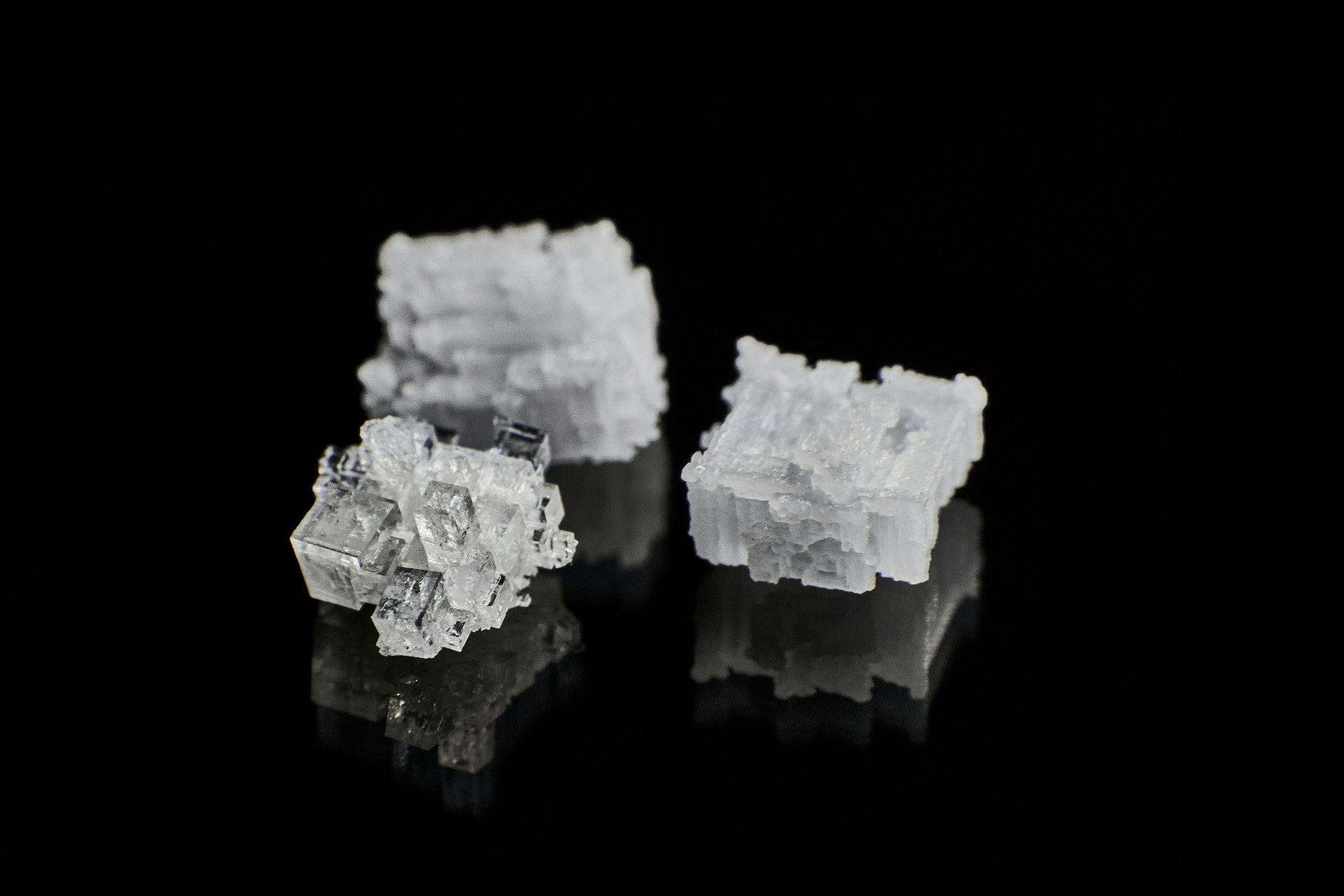
Can an Electric Composter Handle Salt & Oil? (Boundaries + Best Practices)

GEME Terra II: The Silent Gearbox
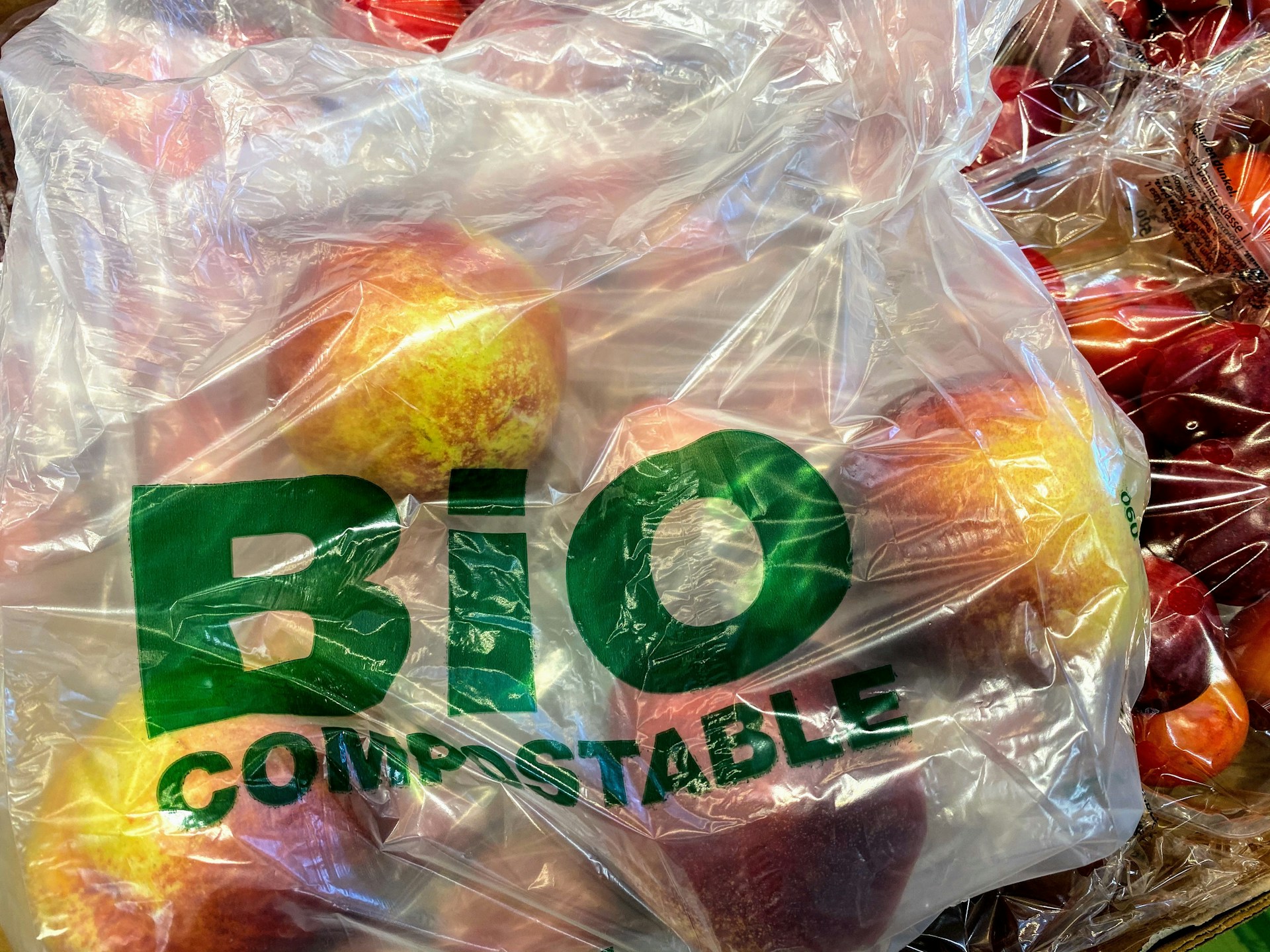
Can I Put Plastic In GEME Composter?

NPK Test of Home Compost Output (N=50): What It Shows and What It Doesn’t

How we write an engineering claim without turning it into ad copy
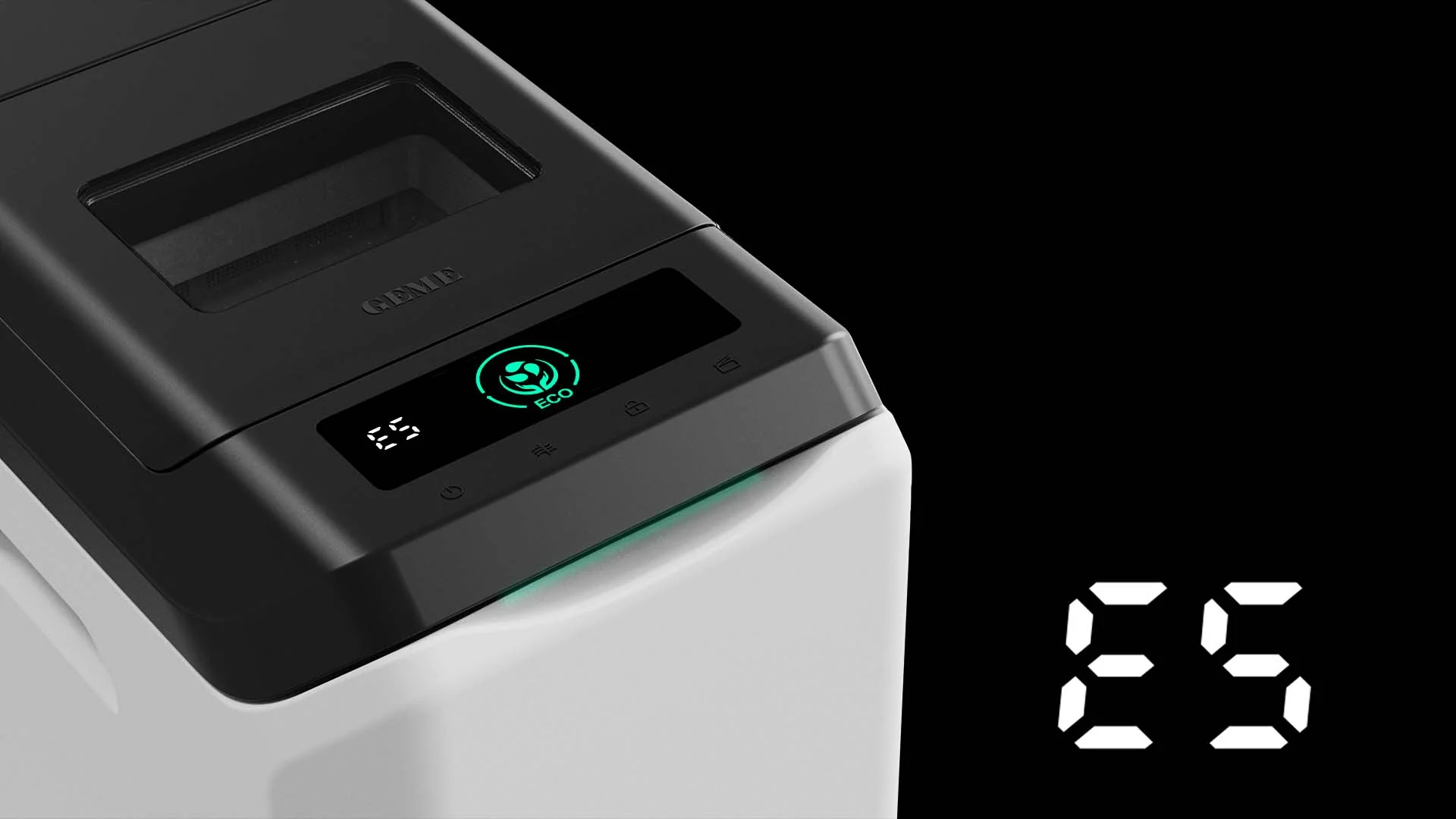
What an E5 fault means in GEME Terra 2 and what it does not

Get $100 OFF: GEME Composter Discount Codes on Amazon for Earth Day, 2026
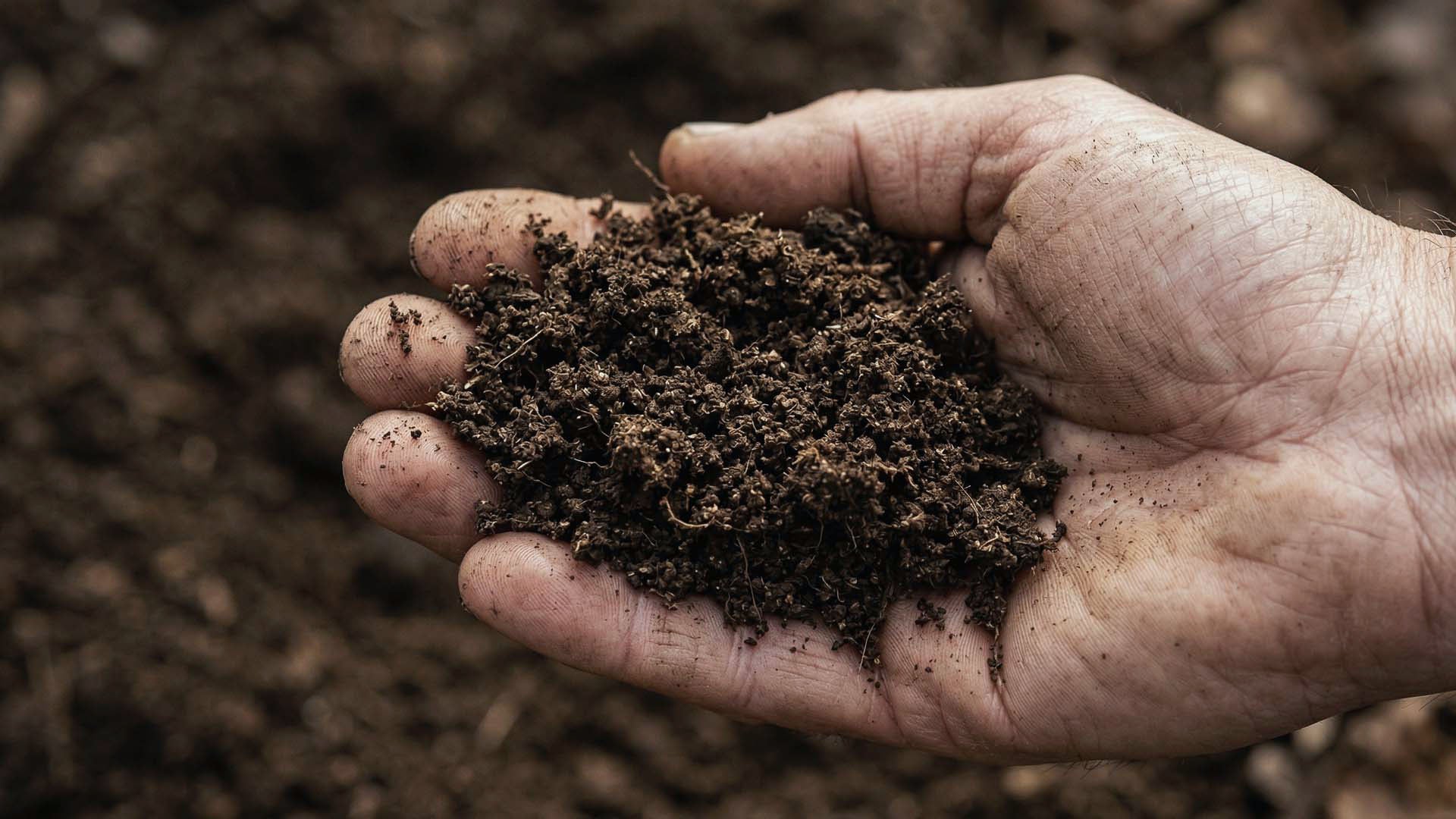
The “wet standard”: what living compost base should actually feel like?
Why low average power matters more than dramatic peak wattage?
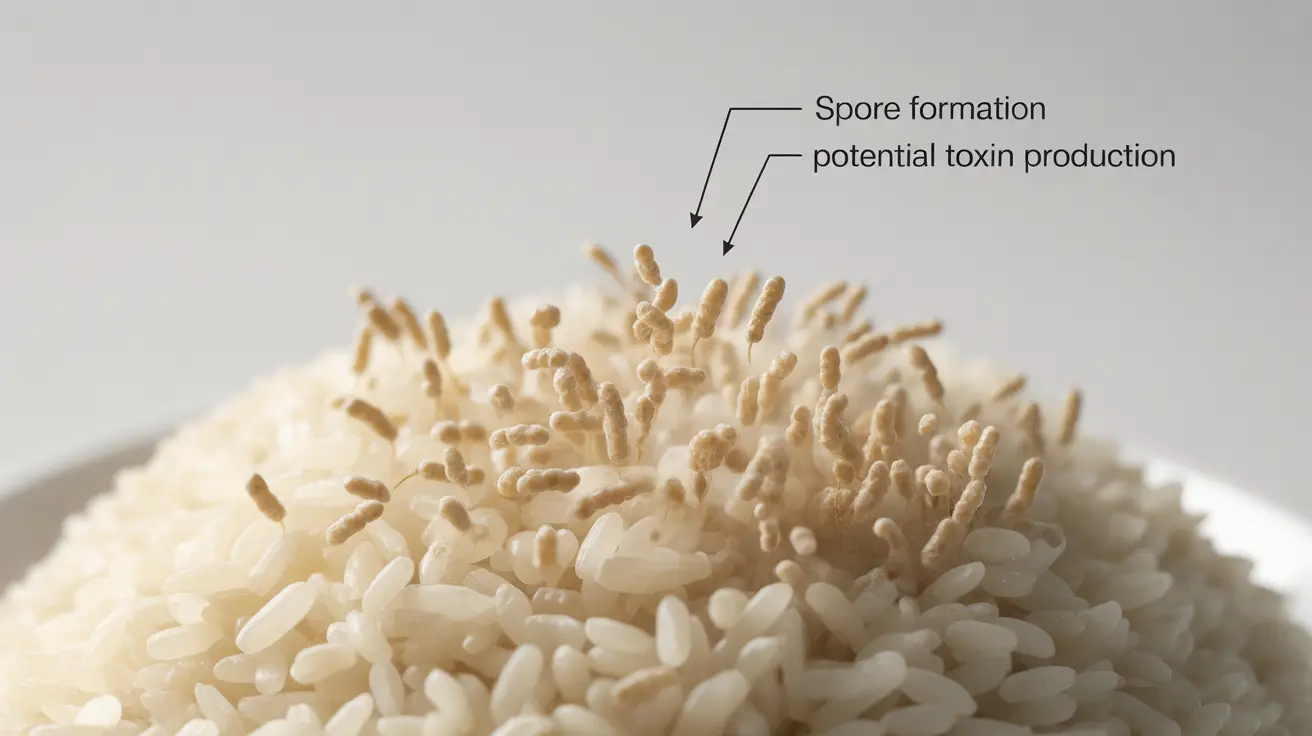
How to Avoid Food Poisoning Related to Leftovers: The Science Behind Leftover Food
GEME Composter vs DIY Bokashi: Which Should You Choose?
Permanent Odor Control: Catalyst Path vs. Disposable Carbon
GEME Composter Review 2026: Real Compost, No Filter costs
Why is the GEME chassis intentionally heavier than a typical countertop appliance?

How to Plant Tulips in Spring
How to Compost at Home: A Complete Beginner's Guide
What Can You Put in an Electric Composter? Meat, Dairy, Bones (Clear Rules + Hard Limits)

Can an Electric Composter Handle Salt & Oil? Boundaries for Real Leftovers (Without the Myths)
Mastering the GEME Cycle: An Agronomist’s Guide to Continuous-Flow Compost Application

Countertop Composter Is a Misnomer: Where an Electric Composter Actually Belongs in a Real Kitchen
Top 5 Electric Composters on Amazon: 2026 Buyer’s Guide
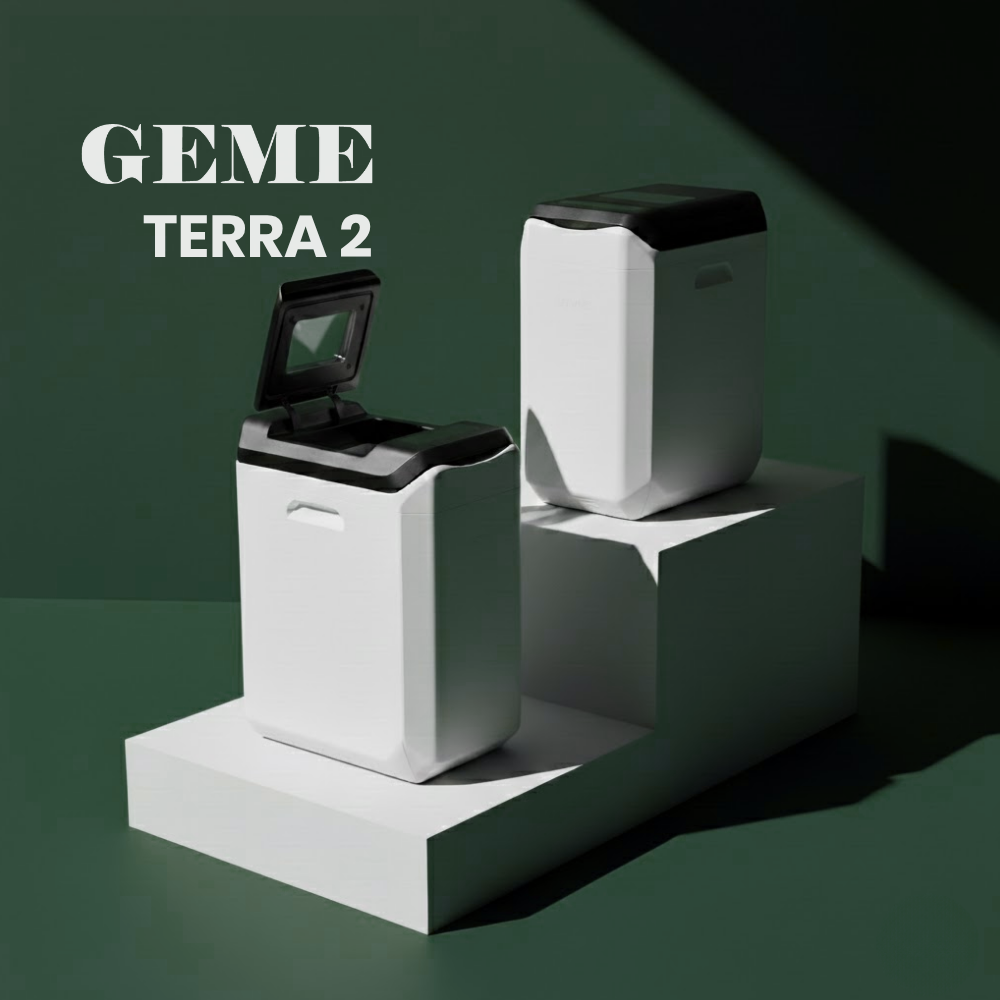
GEME Terra II: The Pros and Cons
Top 5 Kitchen Composters: Pros and Cons
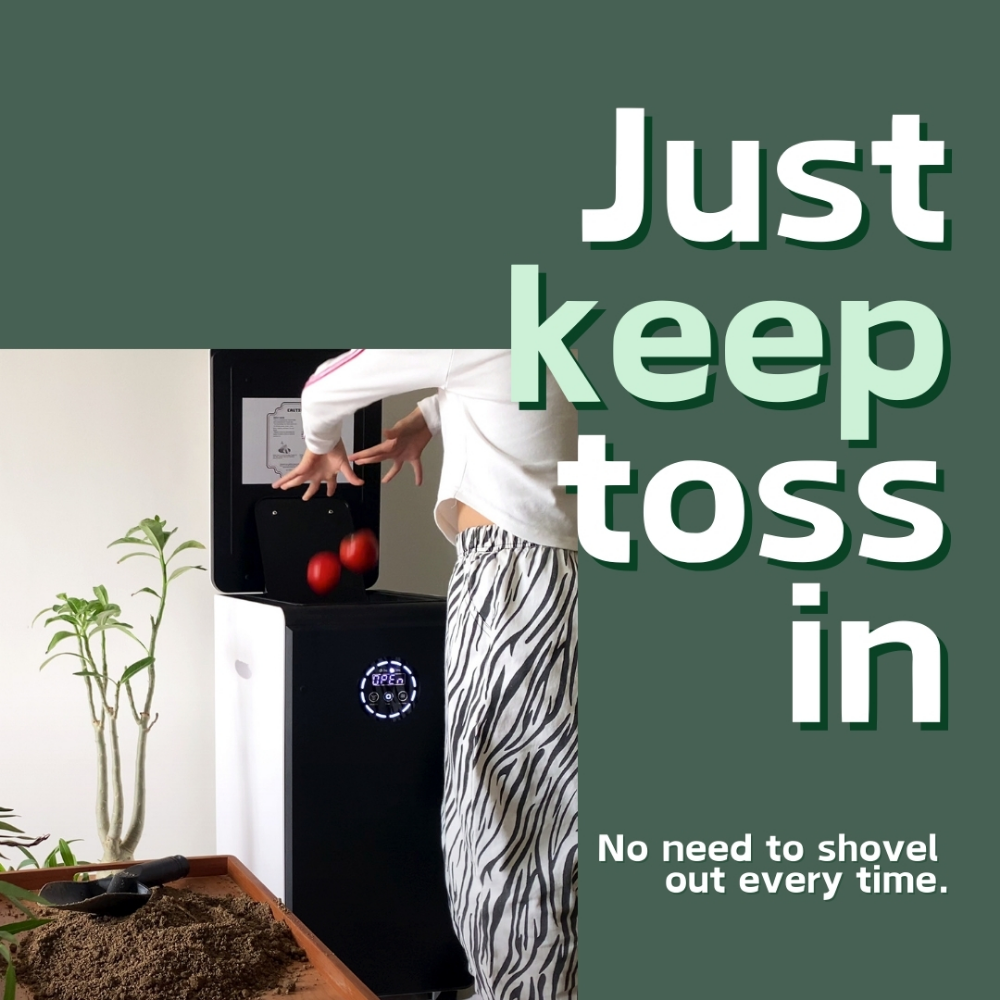
GEME Composter Review: Best Indoor Composter 2026
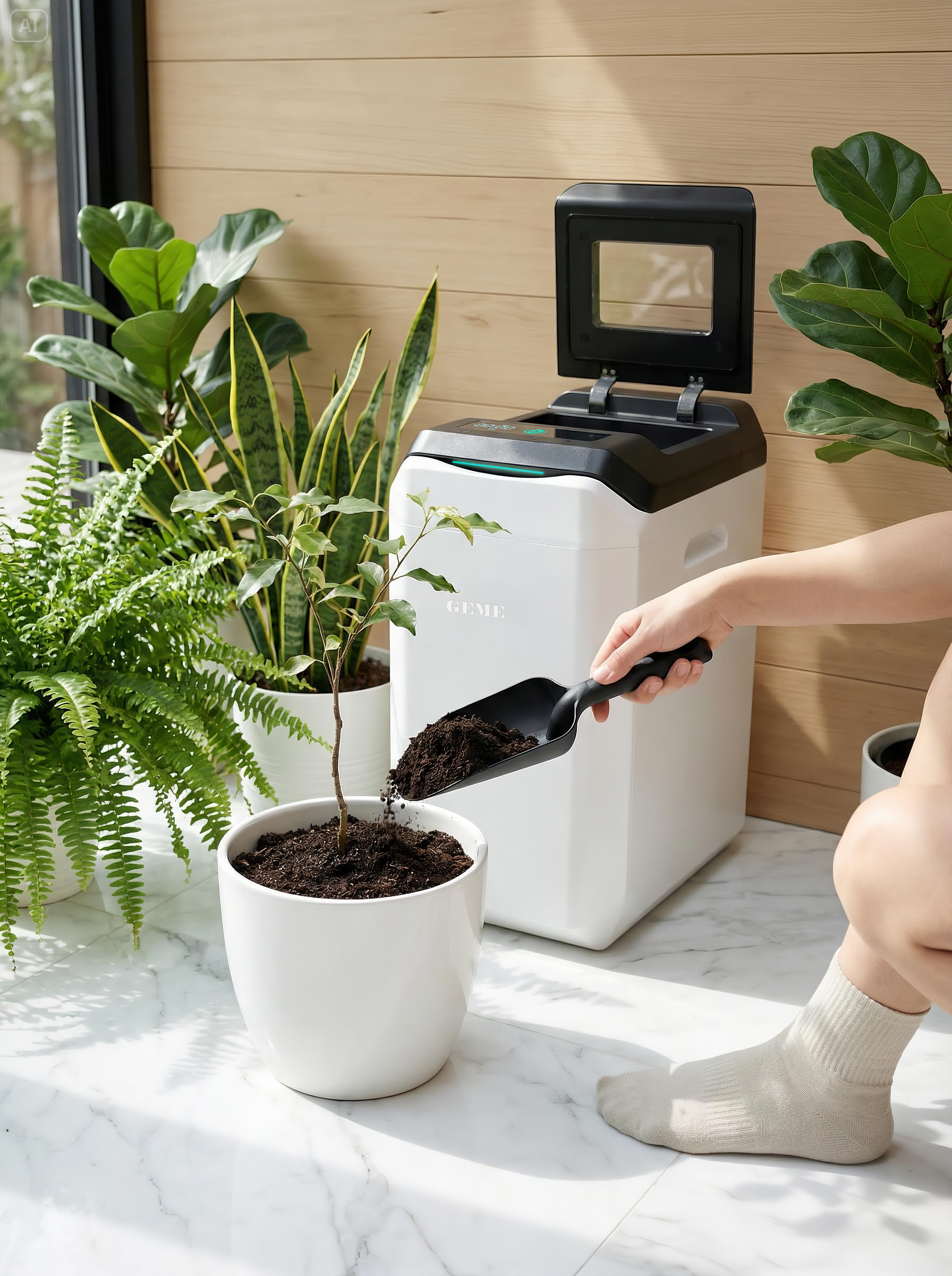
The Best Kitchen Composter Verdict 2026
The Best Composter for Avoiding Recurring Fees: GEME Terra 2 vs. Lomi, Mill, and Reencle

Can I Compost Cut Flowers?
How Long Does Bokashi Take to Compost?

How to Care For Hydrangeas And Change Their Colors
The Best Composter: Daily Operation Comparison (Lomi, Mill, Reencle, GEME)

How Long Does Pizza Last In The Fridge? The Ultimate Leftover Safety Guide
How to Compost Eggshells: The Ultimate Guide to Calcium Gold for Your Garden

How to Compost Coffee Grounds: The Ultimate Guide for Your Garden

Never Buy Carbon Filters for Your Composter
The Best Composter for Fastest Real Compost
How to Compost at Home for Beginners: The Ultimate 2026 Guide

How Long Can Chicken Stay in the Fridge? The Ultimate Guide to Safety, Spoilage, and Sustainable Disposal
How to Reduce Odor: Practical Tips for Indoor Composting That Actually Work

How Long Can Ground Beef Stay In The Fridge
Breaking News: NYC Fines for Food Waste Are Back, 2026
The Best Composter For Small Kitchen

How to Reduce Food Waste During Holiday: A Sustainable Spring Festival Guide
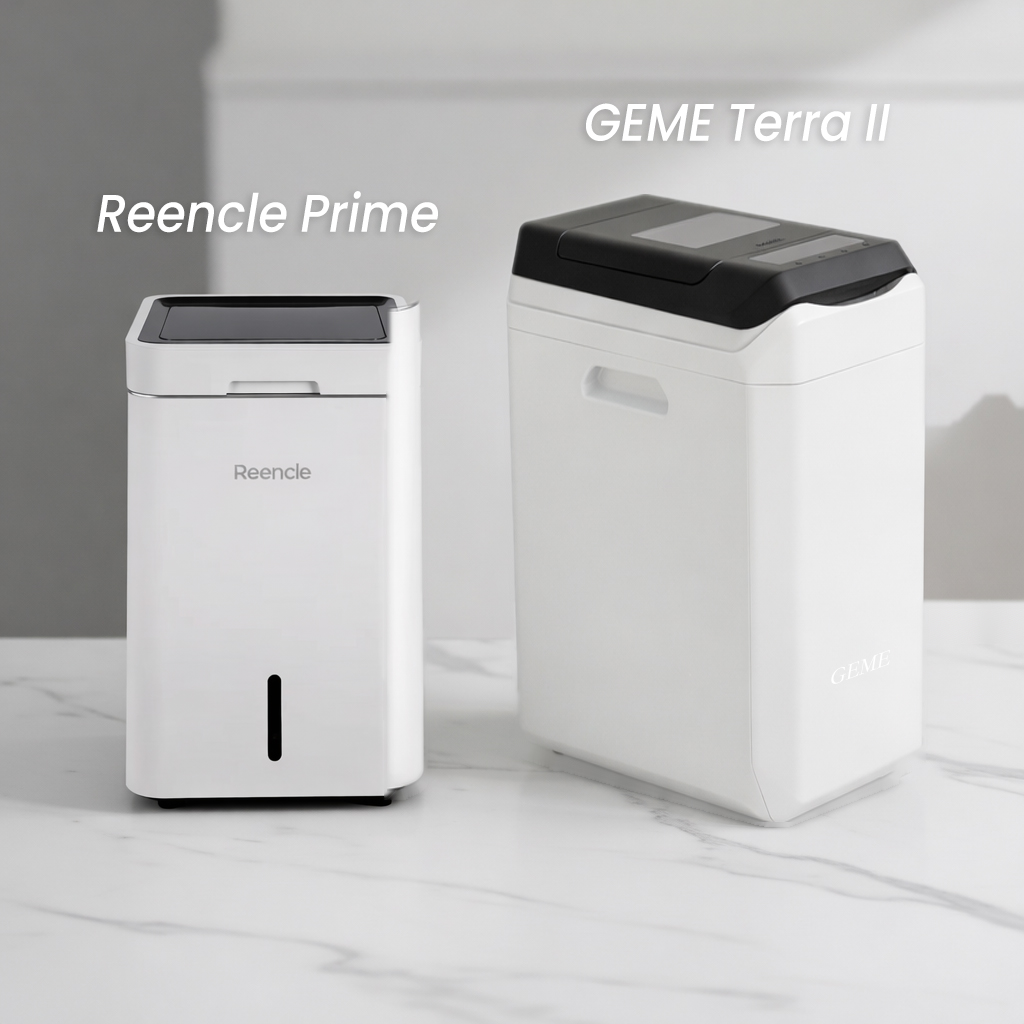
Reencle vs. GEME: The Ultimate Microbial Composter Showdown
Does Mill Composter Really Compost? Honest Review & Best Kitchen Composter Guide 2026
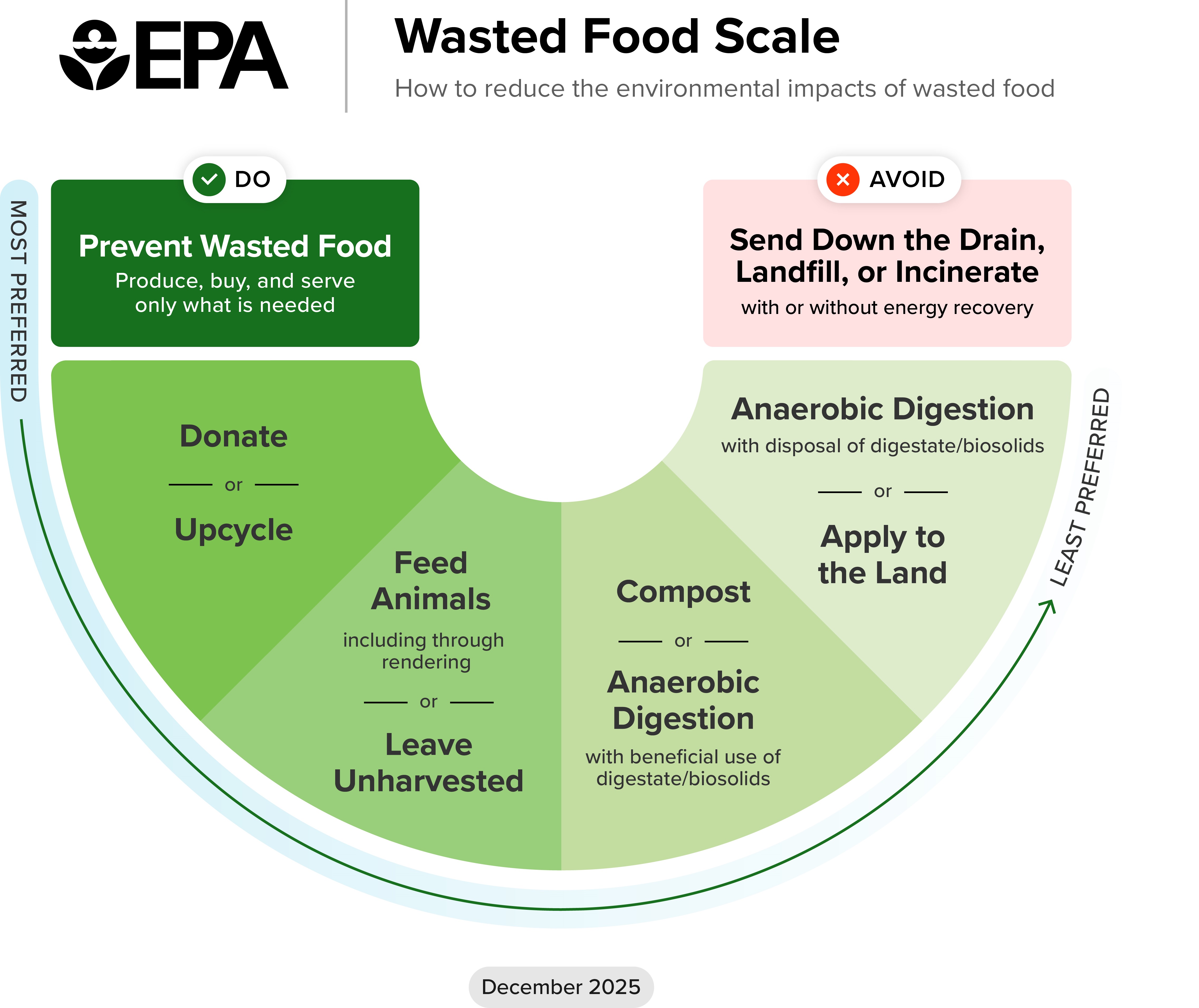
How to Reduce Food Waste at Home (Best Solution 2026)

McDonald’s Free Caviar Kits Raise Concerns of Food Waste | 2026 Composting Insights
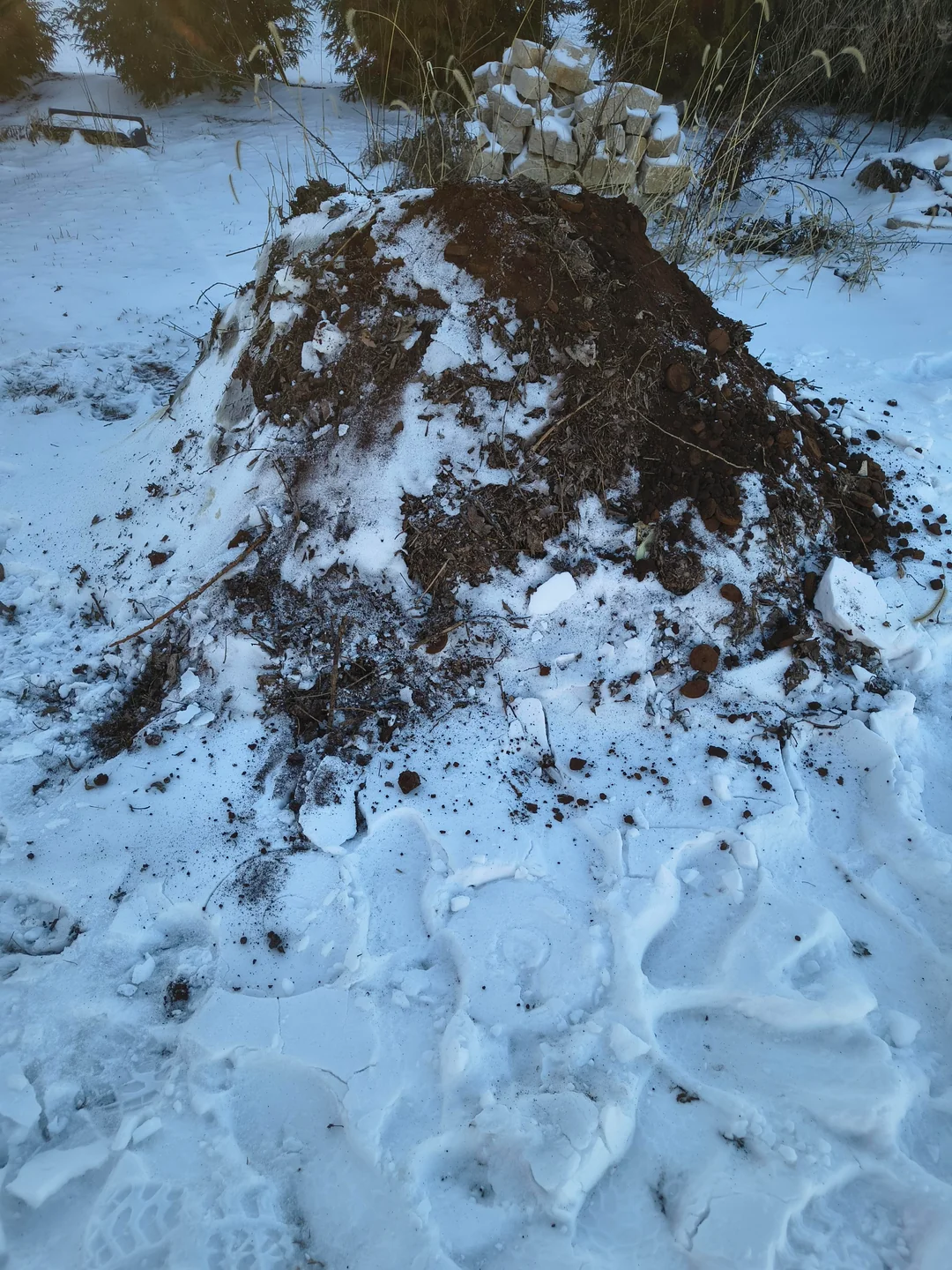
Winter Composting Crisis: How the 2026 Bomb Cyclone Makes Indoor Composting Essential
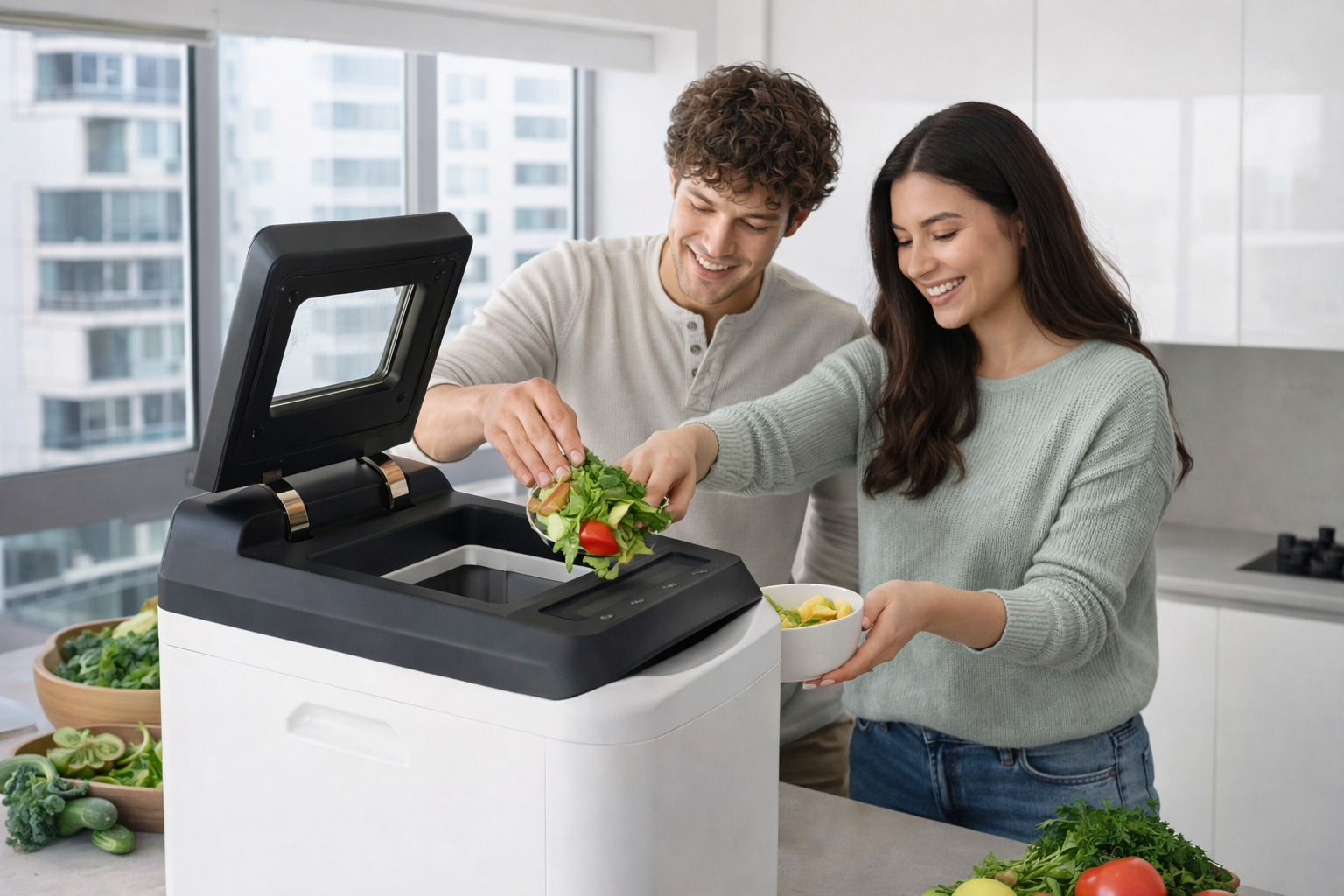
How to Compost in an Apartment (Best Solution 2026)

Zero-Waste Lifestyle Starts in Your Kitchen: How to Reduce Food Waste with GEME Terra 2 (Best Kitchen Composter Guide)
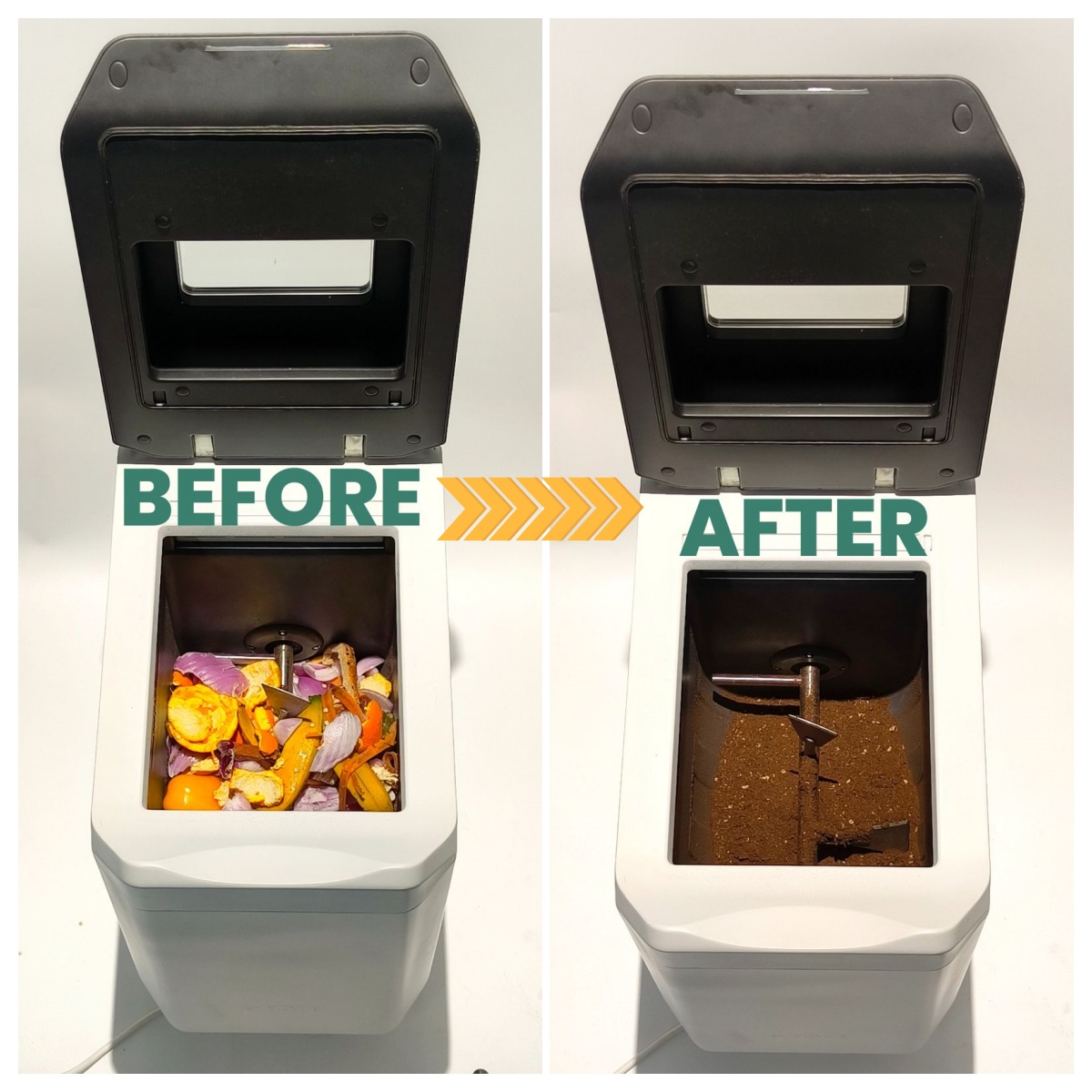
Does the Lomi Composter Really Compost? Lomi vs GEME Terra 2
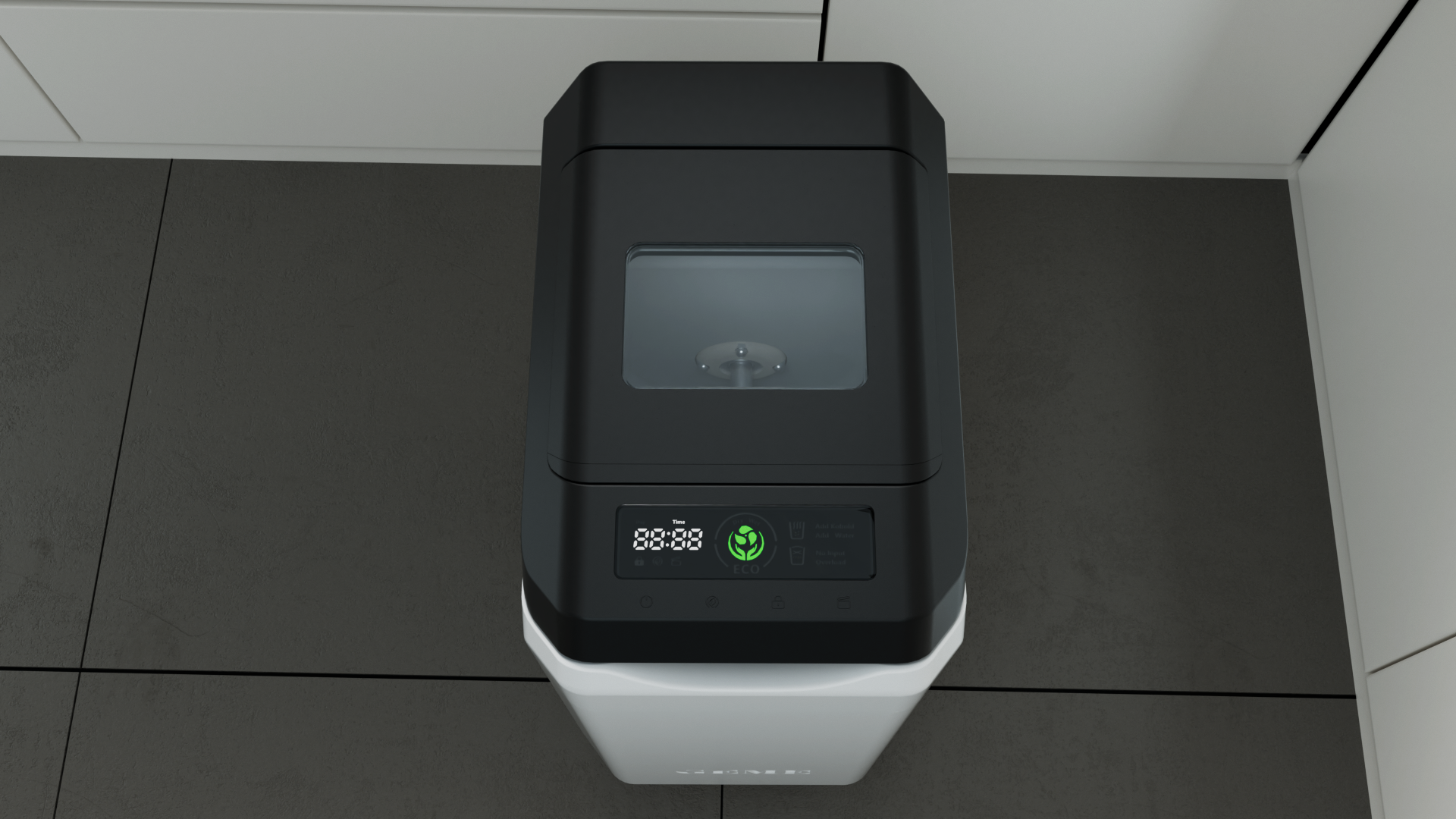
Top 5 Kitchen Composters in 2026
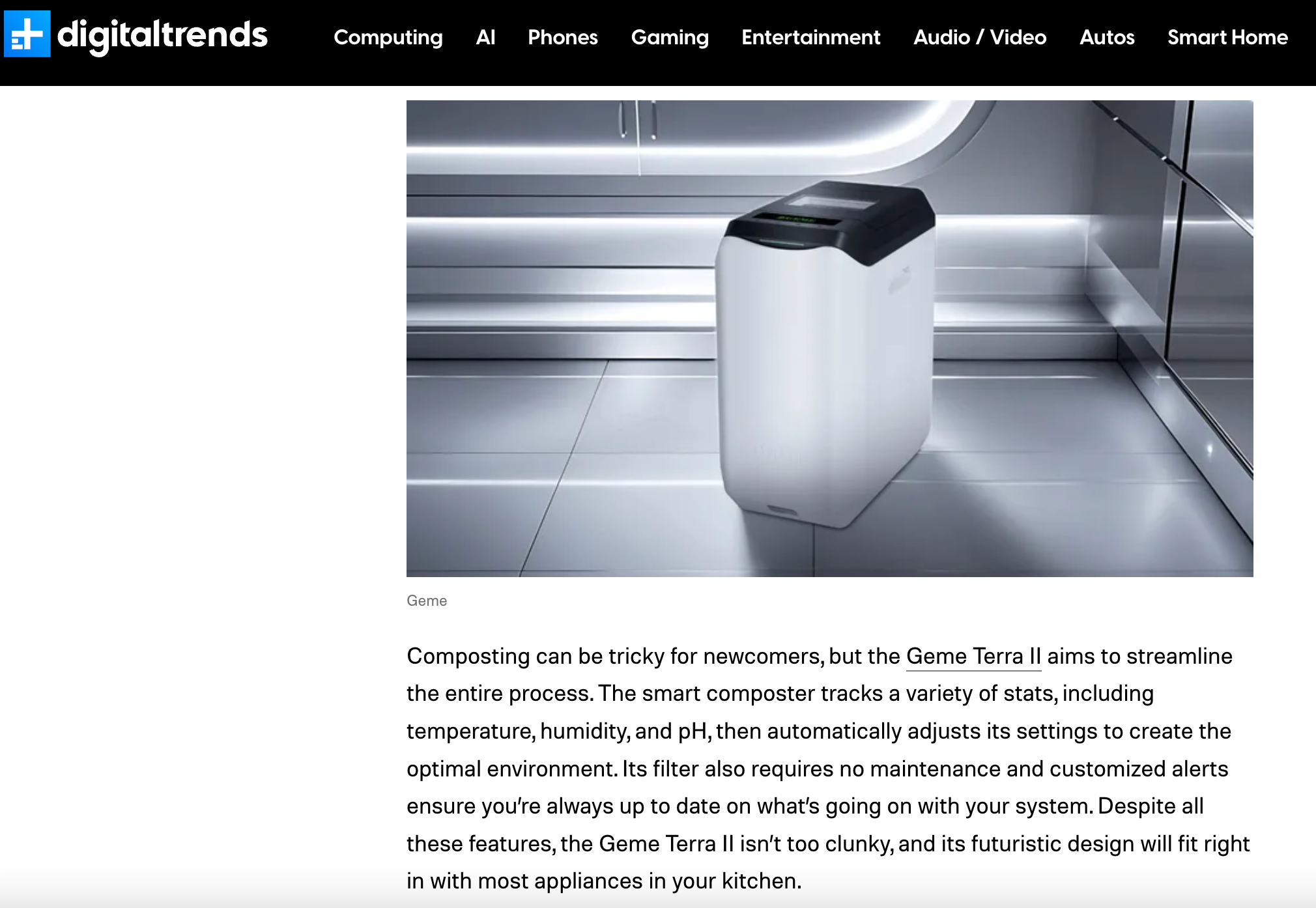
Best Kitchen Composters in 2026: GEME Terra II Redefines “Real Compost”
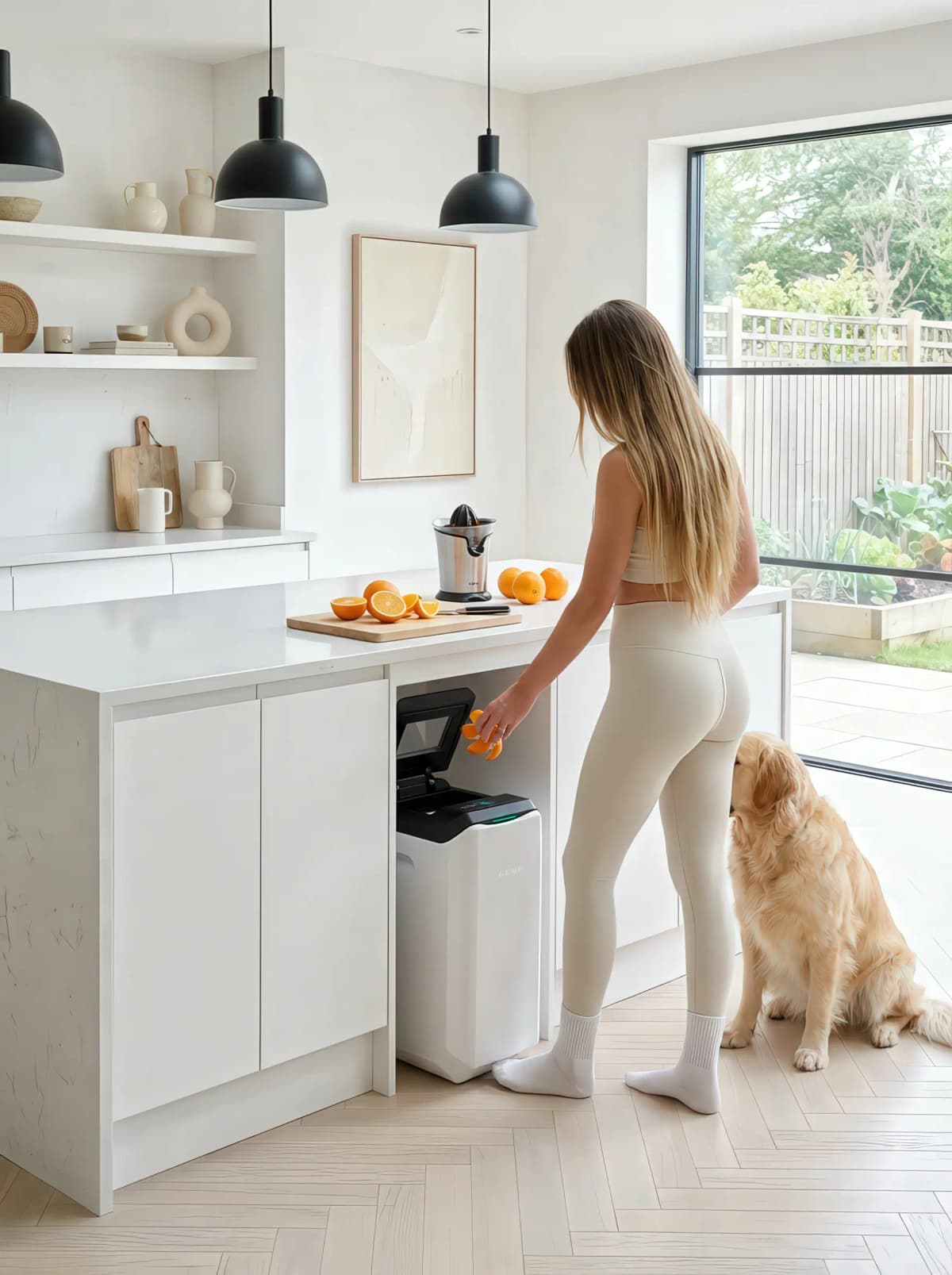
GEME Terra 2 vs Reencle Composter: 2 different Microbial Composting Approaches
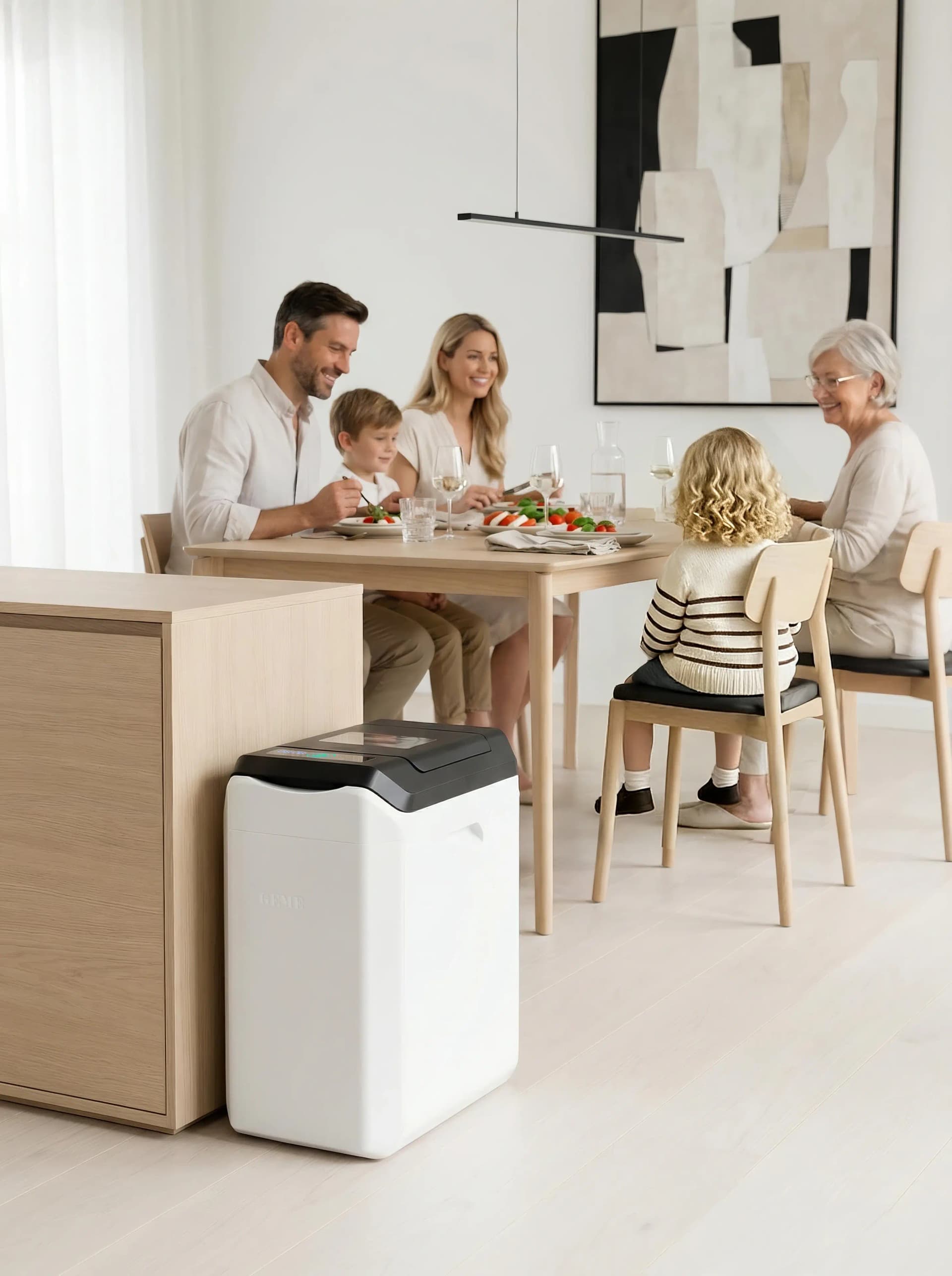
GEME Terra 2 vs Mill Composter: The 2026 Decision Guide
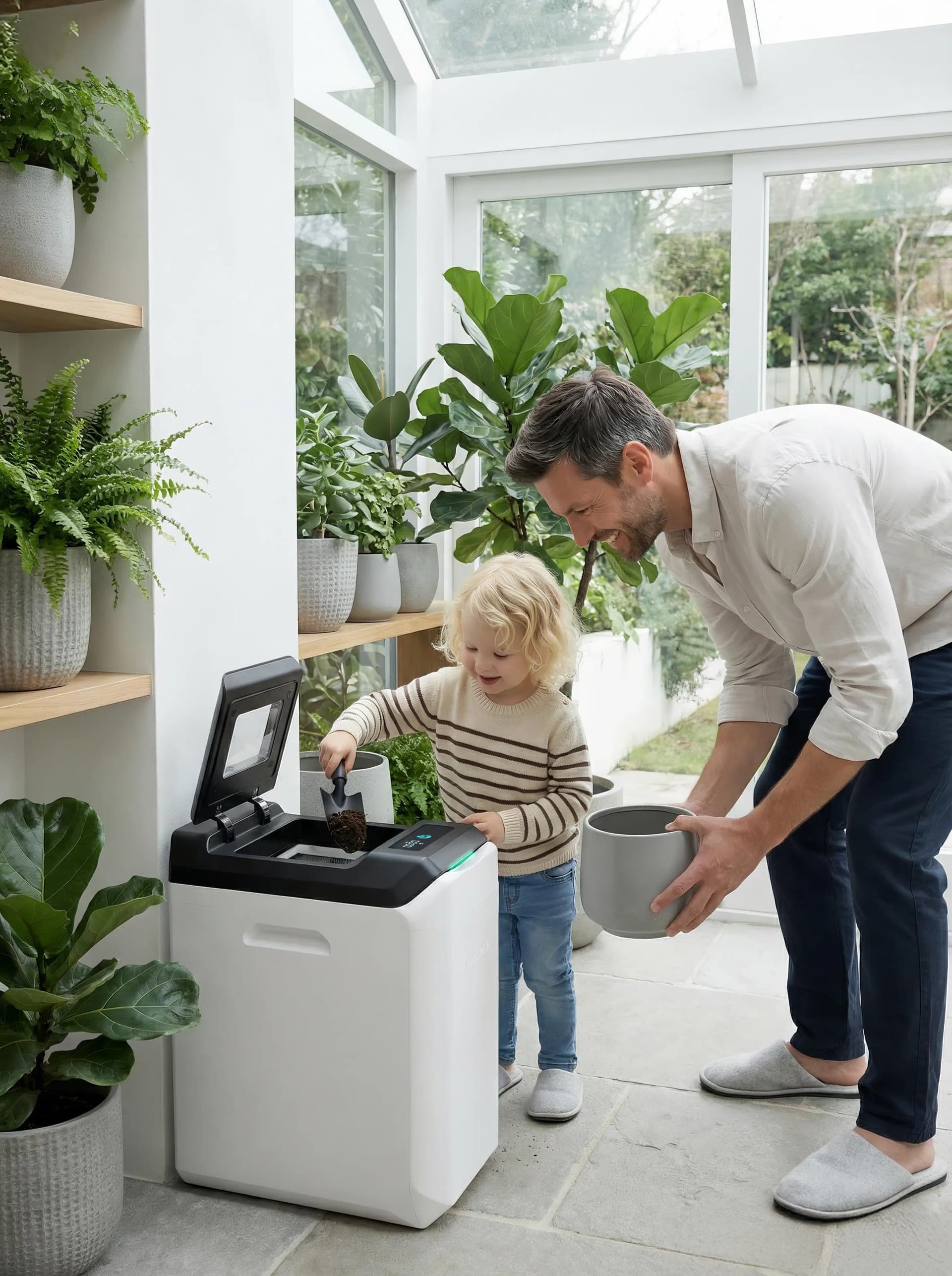
The Best Electric Kitchen Composter of 2026

Mastering the GEME Cycle: An Agronomist’s Guide to Continuous-Flow Compost Application
Geme Terra 2 vs Lomi: Which Countertop Composter Is Better for a Zero Waste Home?
Electric Compost Bin Filters Cost: GEME vs Lomi vs Mill vs Reencle
Bio-Composting Breakthroughs: GEME Terra 2 Debuts, An Easier & Smarter Way To Compost At Home
Can You Compost Bread?
Can I Compost Spoiled or Moldy Fruit Like Grapes? Here's A Practical Guide
Composting Basics: Backyard Compost Pile VS GEME Electric Composter

How Can We Make Bananas Last Longer?

How Long Do Apples Last in The Fridge? An Ultimate Guide For You to Keep Apples Fresh
The Best Kitchen Composter For Reducing Food Waste | Which One is Your Favourite?
Ready to transform your gardening game? Subscribe to our newsletter for expert composting tips and sustainable gardening advice.